So we deliberated for a long time about whether to do the Salkantay Trek or the Inca Trail. The Salkantay Trek was advertised as being more to do with nature and with less people on the trail. The Inca Trail is the more famous and popular option whilst also offering a more historical and cultural perspective by going through multiple Incan sites on the way to Machu Picchu.
I had done the Inca Trail seven years ago and thus we were more leaning towards the Salkantay Trek. But when we got to Cusco, we were able to access Inca Trail permits with just two days notice. Given that before COVID times you would normally have to book these permits six months in advance, it seemed an unbelievable opportunity to experience the Inca Trail with less people. And I didn’t want Radka to miss out on the iconic walk.
So in the end, with the help of Salkantay Trekking, we managed to combine the 5-day Salkantay Trek with the 4-day Inca Trail, cutting out the extra day in Machu Picchu and eliminating the pointless travelling back and forth to Cusco half way through.
So here is a write-up of the second part of our adventure – the Inca Trail…
Contents
Day 3 – Intipata and Winay Wayna
Day 1 – Llactapata
Those of you who have already read the review of the Salkantay Trek, will know that we had already done four days of trekking, of which three were pretty hard walking. You will also know that we were both eaten alive by insects on the third day and I was feeling really rough on the fourth day due to overheating. So you can probably imagine that we were not at our highest ebb when we woke up early for the first day on the Inca Trail.
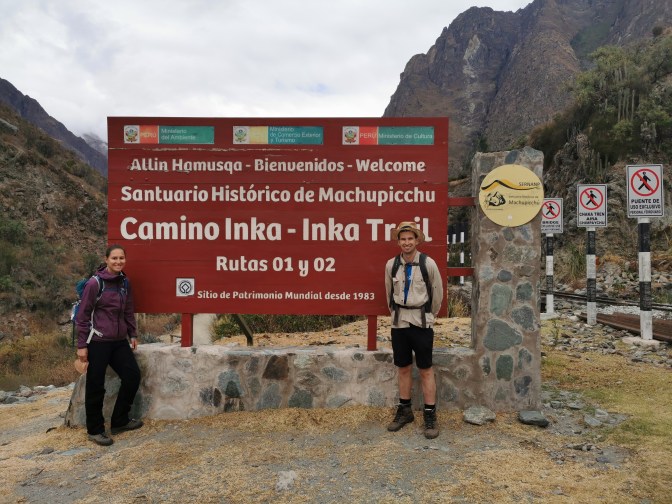
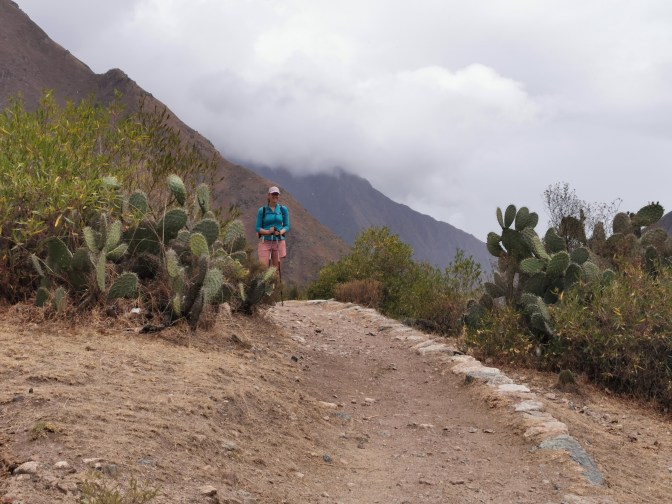
We were picked up by our new guide and were transported to the start point at Km 82. It was here that we found out that the plans of the other people we were supposed to walk with had changed, so we were basically getting a private tour! At the starting point, we went through the formalities of entering the trail, had a quick look round the exhibit they have at the start and then we were off. The first part of the Inca Trail is not actually an Incan trail; it’s just a path that snakes its way through the valley going from one tiny village to the next. It was pleasant enough and it was good that it was not so taxing at the beginning, especially as the itching around my ankles and calves was really intense for the first two hours.
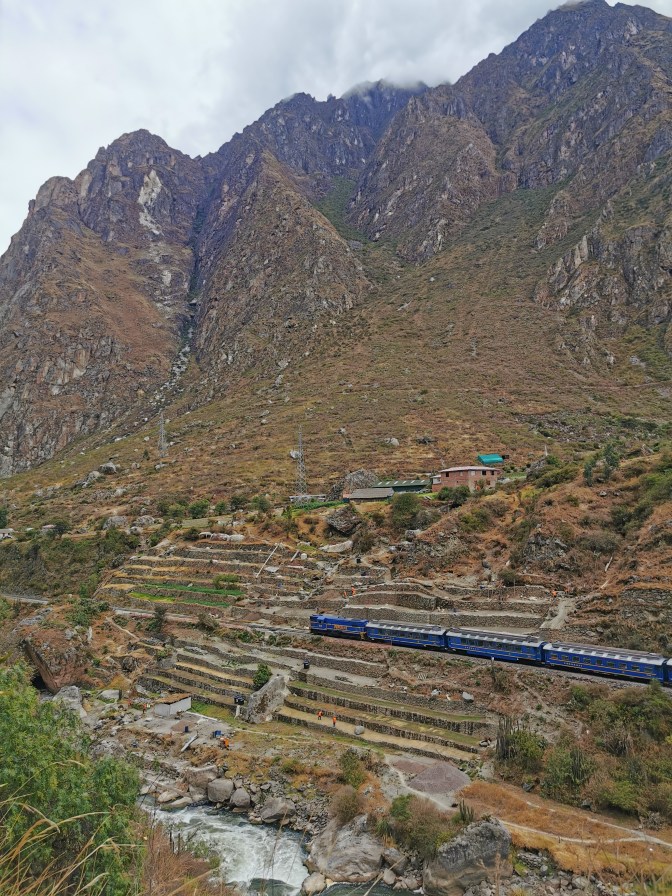

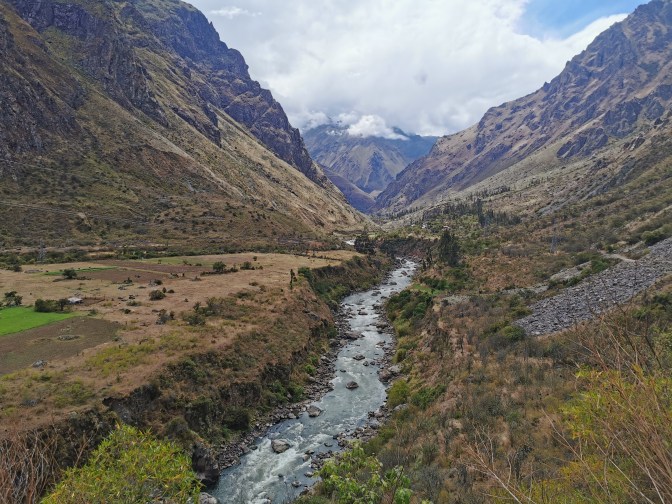
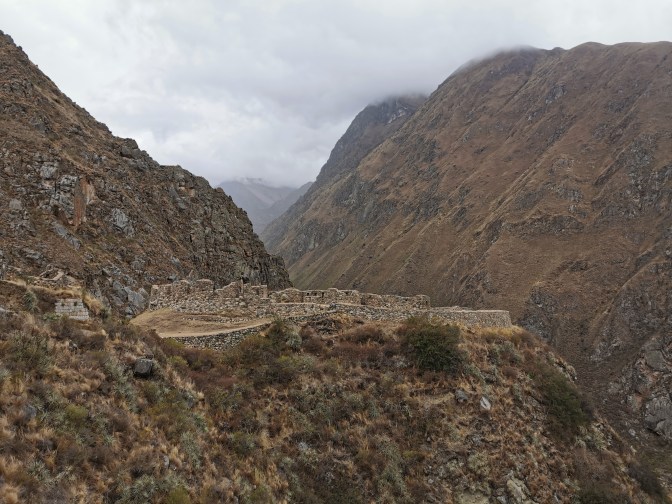
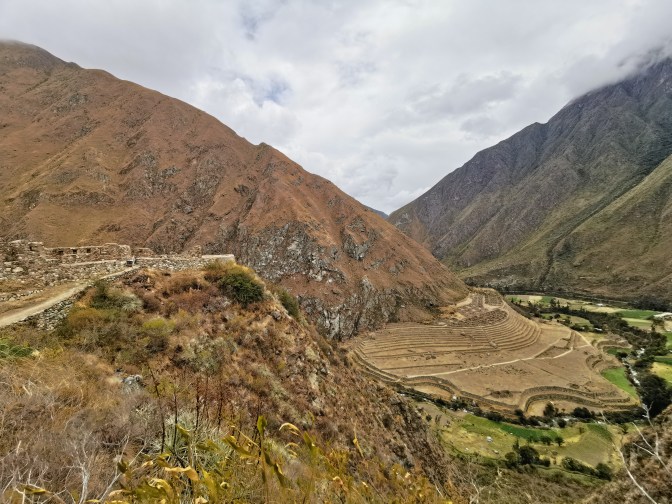
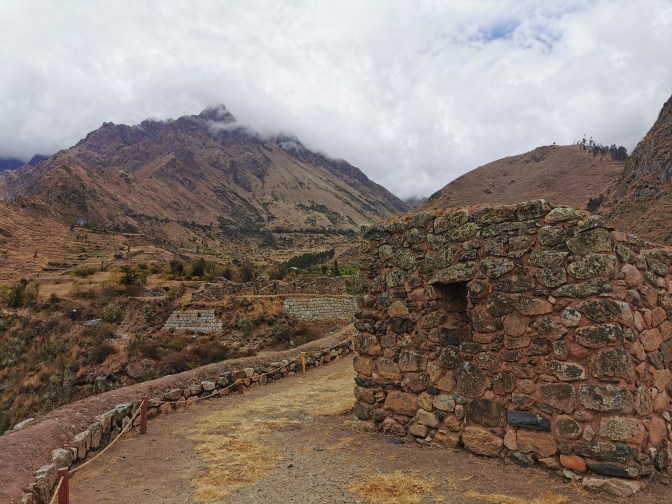
We gradually made our way higher and the views improved as we walked through the shrubs and cacti, with sweeping vistas back down the valley and the path winding on ahead. After a while we got a view of our first proper Incan ruin, Llactapata, with the terraces and buildings of the town spread out below us at the foot of the valley, and the watchtower overlooking it to our left. It was an impressive sight and I think it was probably the first time since we had started that morning that we got really excited that we were on the Inca Trail. It also helped that the itching of the insect bites were no longer so intense.
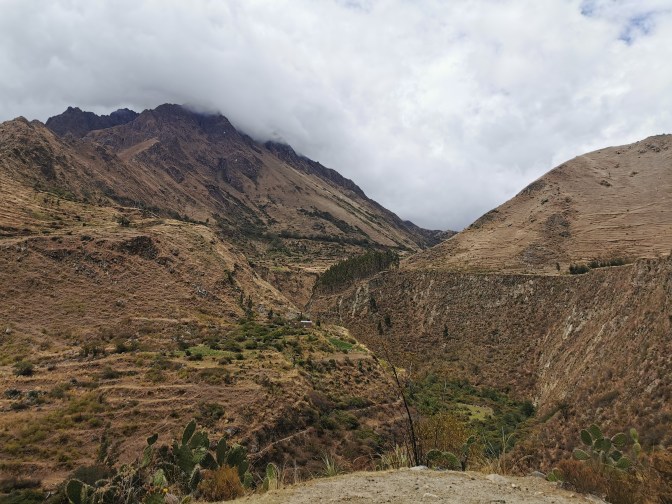
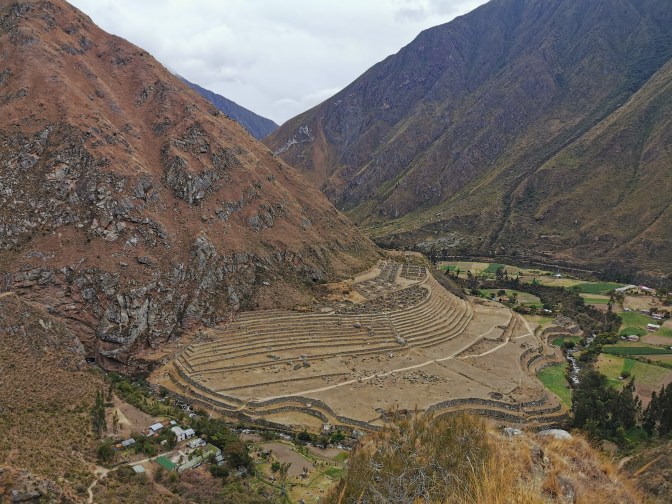
After this site we headed down into the smaller valley that intersected with the one we had been walking through during the morning. It was starting to get hotter and I still wasn’t feeling great so I really appreciated it when we got to our lunch spot. I’m not really sure how the chefs on these treks can make such superb meals with almost no facilities but they do for every meal. I still couldn’t eat much but had enough to appreciate that it was really tasty. We then chilled out for half an hour in our marquee-style tent before starting the walk up to the campsite.
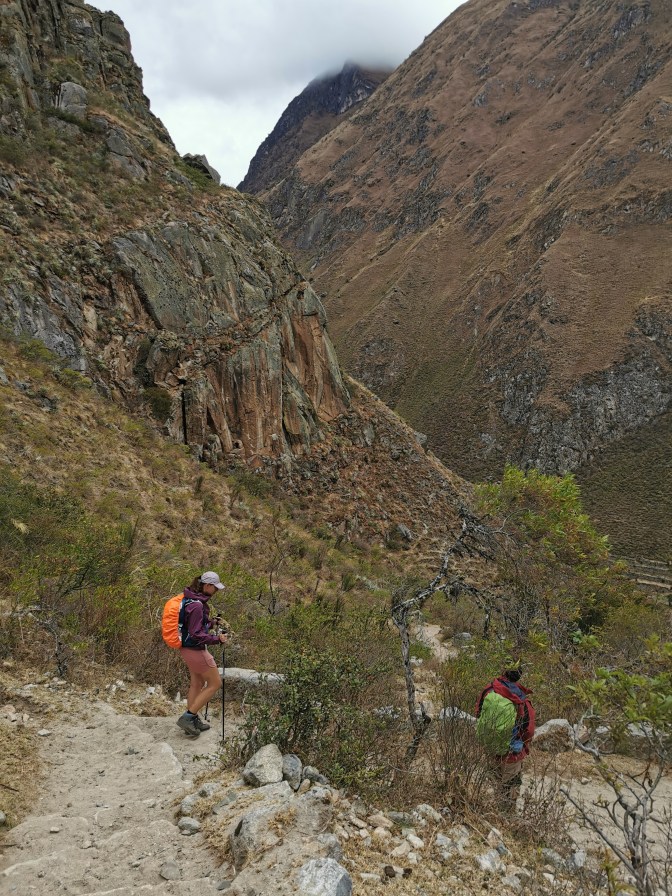
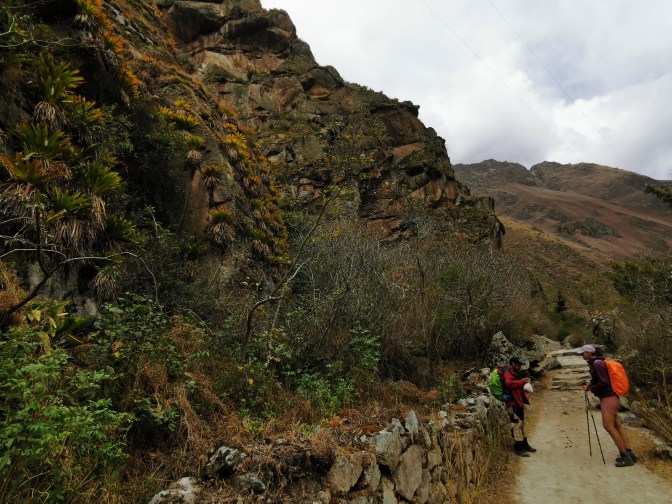
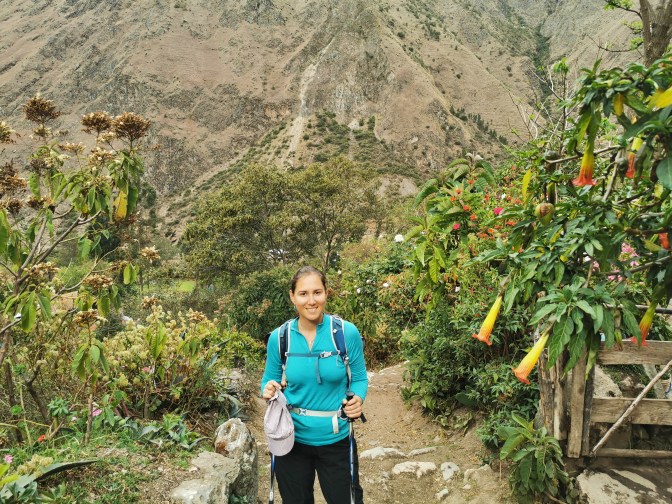
As we made our way up we passed another couple of villages before entering the reserve proper. After this point, there wasn’t really anymore civilisation for the rest of the trek. As we got higher, the vegetation was getting more green and our guide started describing some of the plants and explaining their many and varied uses. He was also able to point to a place on the distant mountain where our campsite would be amongst the trees. So we had a point to aim for as our tired limbs began to complain.
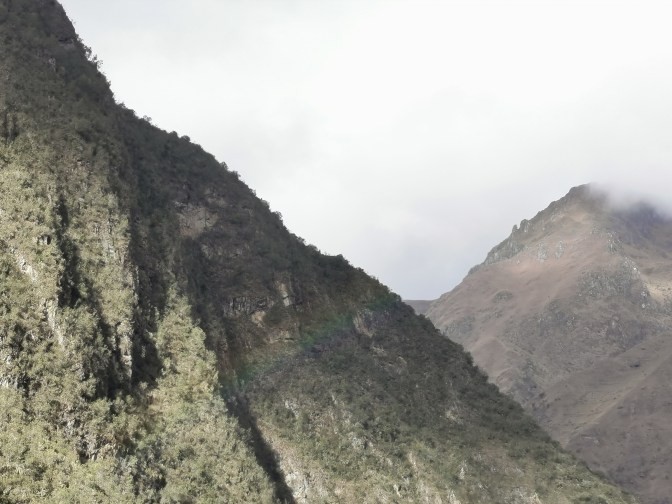
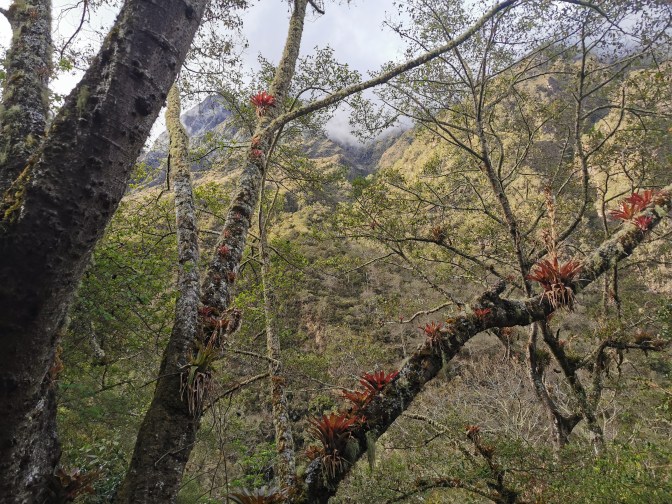
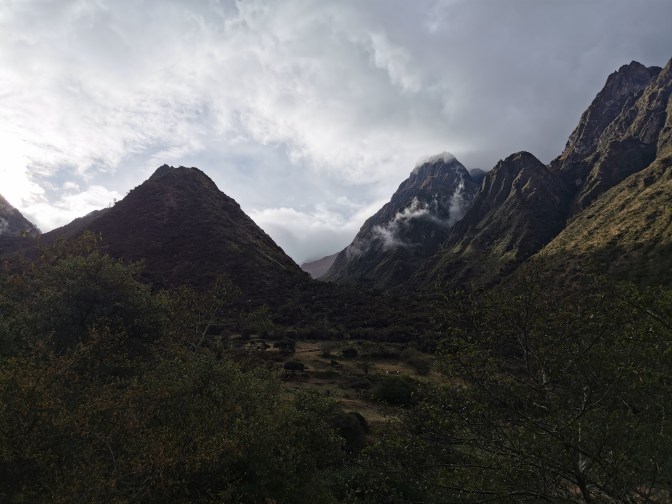
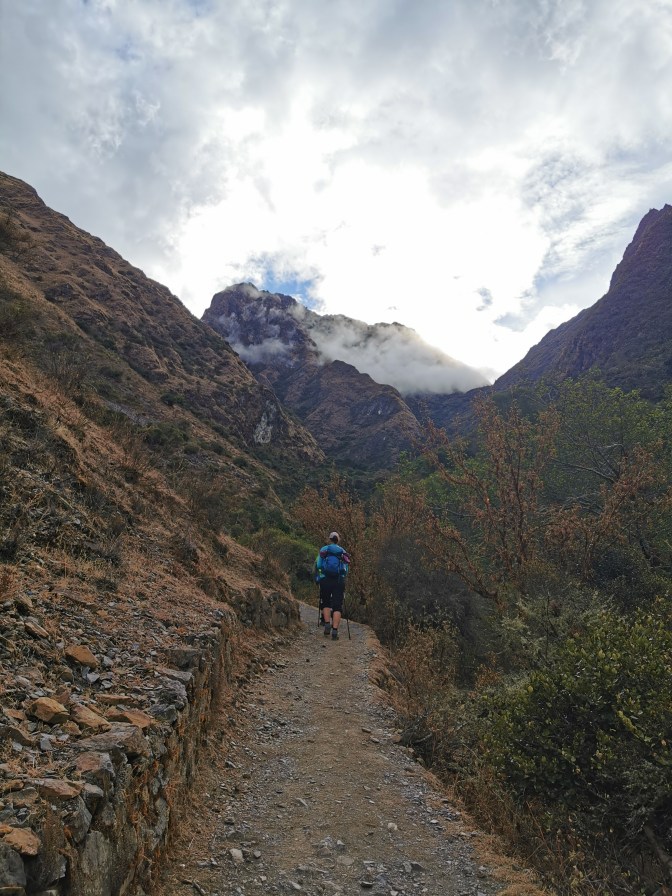
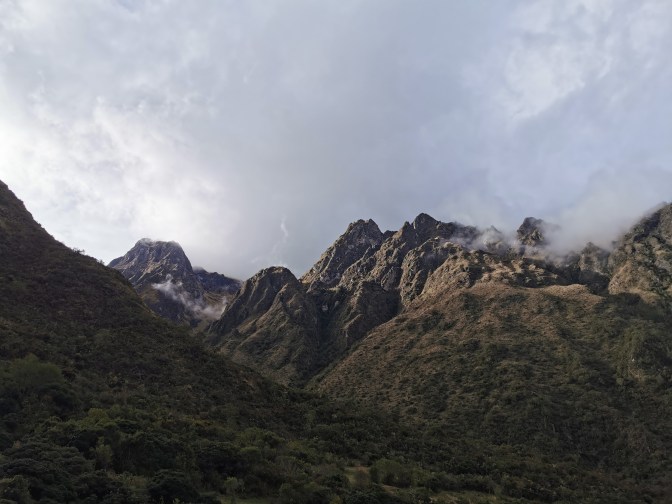
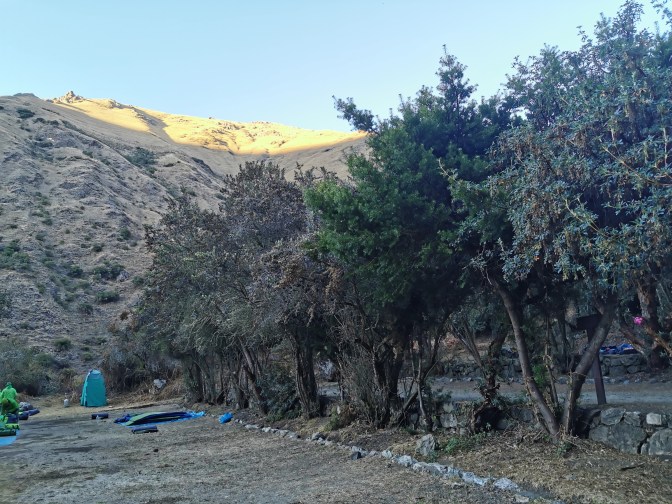
The last part of the walk for the day was reasonably flat and suddenly we were there, with our campsite nestled amongst the trees with lovely views back along the valley we’d just walked through. The amazing porters were already there, putting up the tents and getting organised. We just kept out of their way and chilled until another awesome meal. By the time we were finished it was already dark and cold, so we had no qualms about wrapping up in our sleeping bags and having an early night.
And as a side-note, since the last time I was here they have massively improved the toilet blocks. Or at least they are not as horrendous as I remember due to less people using them?
The first day is not the most interesting of the Inca Trail but it gives you time to get used to the hiking part (assuming you are just doing the trail and haven’t already been walking for four days!). The scenery is also nice and the sighting of the ruins of Llactapata were very impressive.
Day 2 – Passes and Ruins
We were woken early by a porter offering us coca tea. Whilst neither of us particularly like the taste, we’re not going to argue against its medicinal properties, especially given that day two of the Inca Trail takes you up to its highest point – the dreaded ‘Dead Woman’s Pass’.
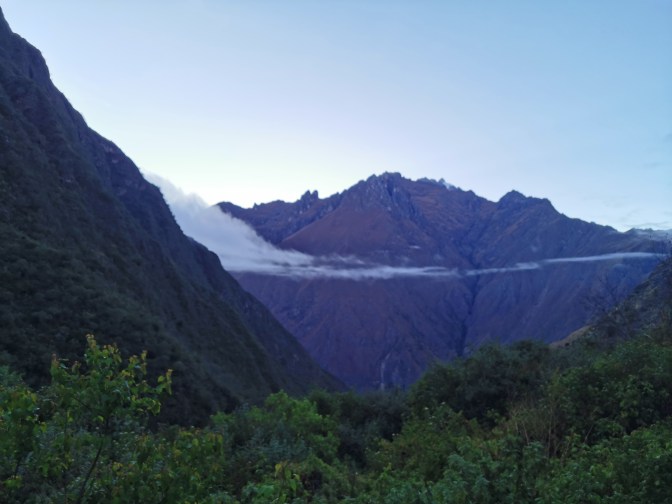
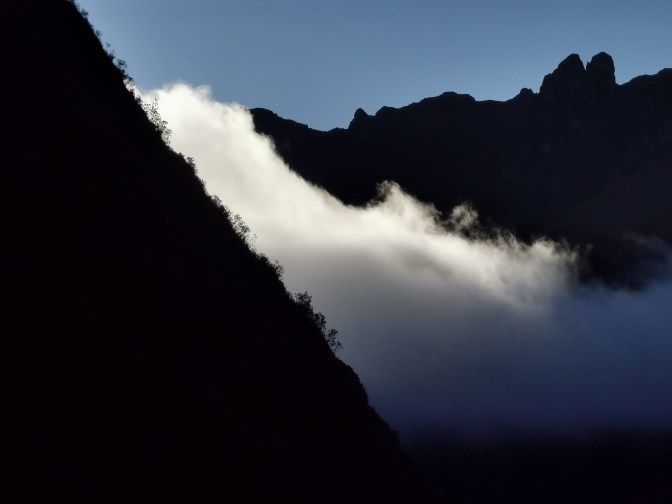
This pass is actually one of two passes that need to be completed during the day, making day two the most strenuous of the four on the Inca Trail. After breakfast we started the long slog upwards. Unlike the rocky mountain trail up to the Salkantay Pass on our previous trek, the Incan trail is predominantly steps. These steps vary in size and steepness and to be honest, I think the mountain trails are easier to walk on. Despite feeling better than the previous couple of days, I was quite weak after not really eating much, so the steps were proving to be quite difficult. Having said that, the lack of sickness meant I was able to appreciate the scenery around me. You start in the forest and follow a stream as you make your up through the trees. Later on, as you get higher, it starts to open up and become mores sparse, meaning you get fantastic views up and down the valley.
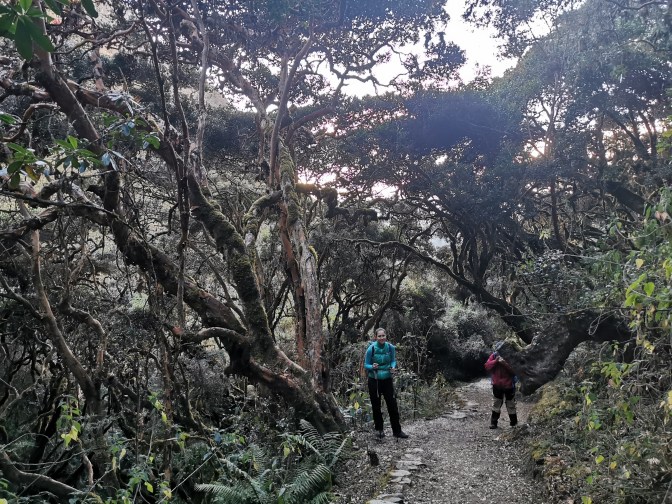

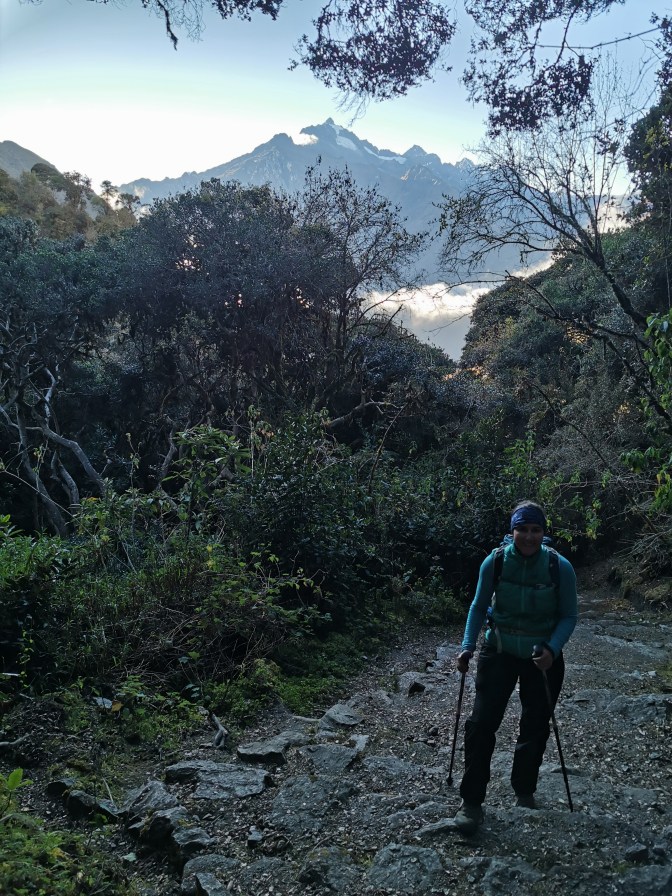
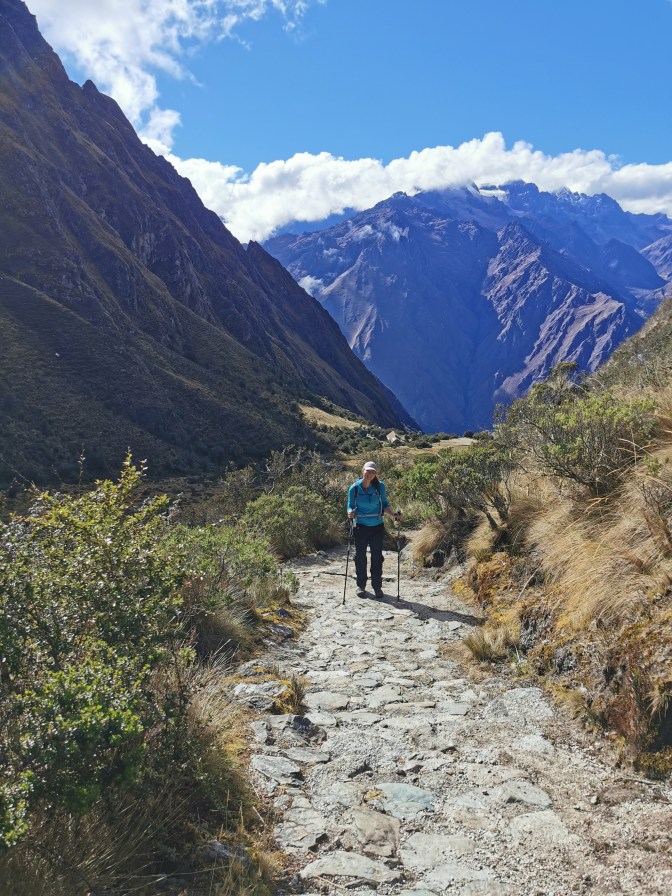
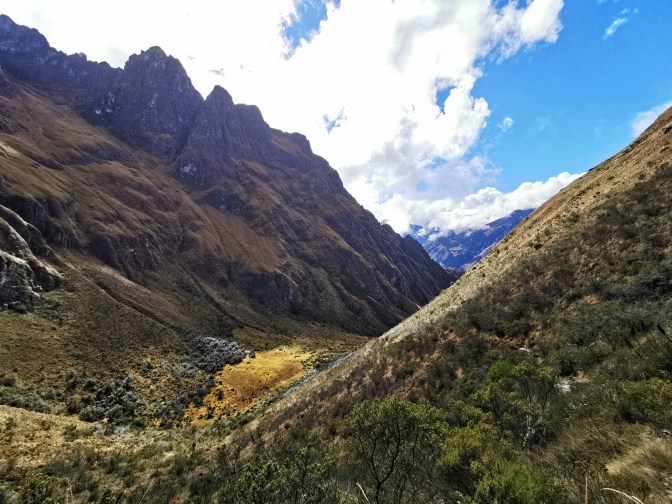
After we just kept putting one foot in front of the other, we eventually conquered the Dead Woman’s Pass. Our chef had kindly waited for us to give us a cheese sandwich as an extra snack and it tasted amazing after the morning’s activity. As we sat snacking and enjoying the view, we were joined by another larger group and unfortunately one of them was struggling, needing the oxygen that the guides carry in their backpacks. We started discussing altitude sickness with our guide and he had an oximeter that we could use as we were curious about the level of oxygen in our blood. The guide went first and was at 89%, which seemed very impressive given that we were at over 4200m above sea-level, before Radka got the same score! I was down at 84%, which I was still more than happy with before we were all blown away by the chef, who was at a whopping 94%. I think this shows in numbers just how important it is to acclimatise properly before attempting one of these higher altitude hikes. It may seem like wasted time but you’ll be able to enjoy the trek itself much more.

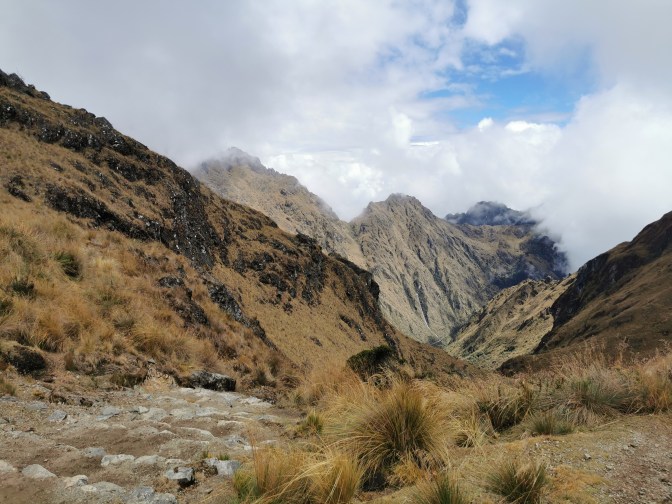
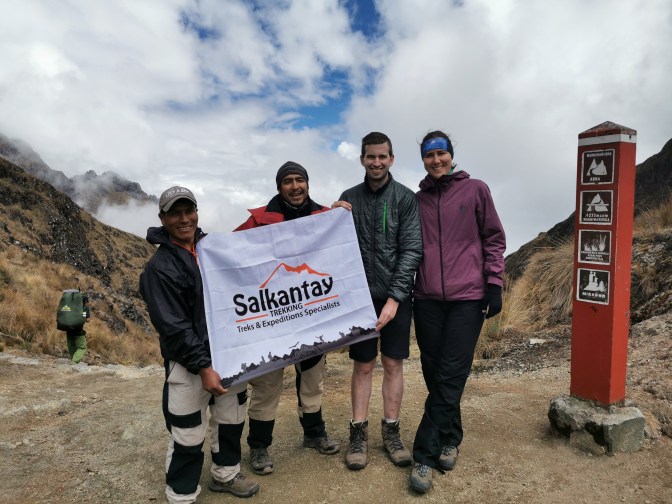
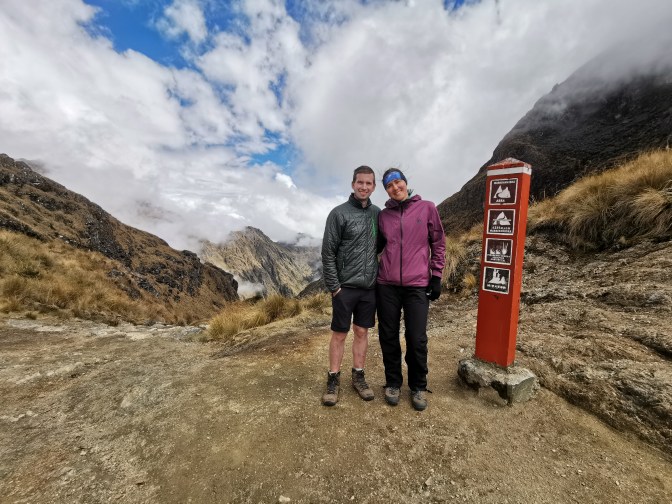
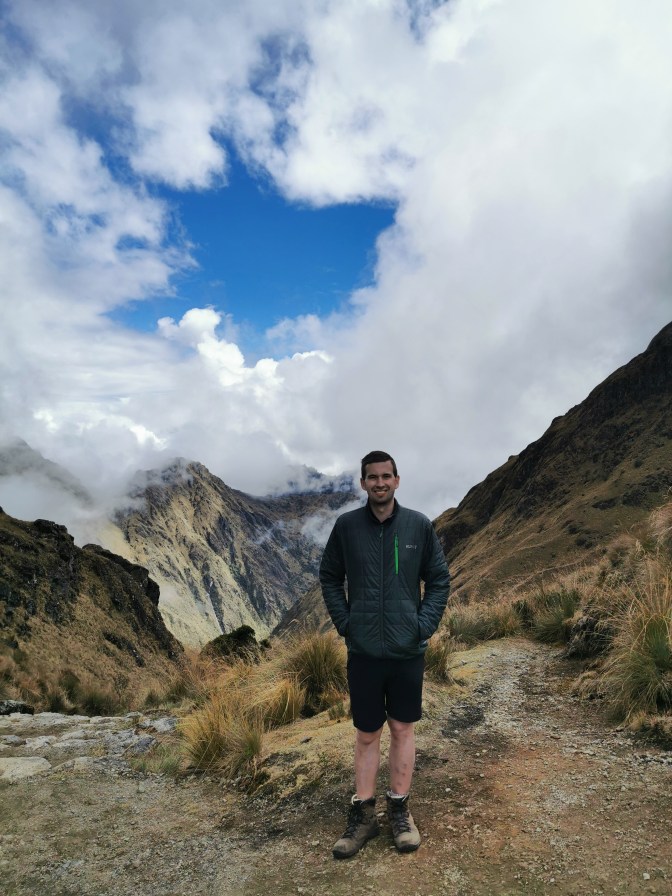
After relaxing for a bit and getting our strength back we got up for the customary photos and as I looked over the over side of the pass it was covered in cloud. Feeling slightly dejected and marvelling at the symmetry when compared to the Salkantay Pass, I went back to sort my camera. When I came back less than one minute later it had mainly all cleared – the clouds were moving amazingly fast.
After lengthening our hiking poles, we started the walk down the other side. Some cloud still hung about but the views were great and looking back we could see the shape of the pass, which someone with a very creative imagination believed looked like the face and chest of a woman on her back – hence the name of the pass. As Radka said; wouldn’t it be nicer to call it the ‘Sleeping Woman’s Pass’ but I’m afraid the woman remains dead. It wasn’t too long before we reached out lunch stop.

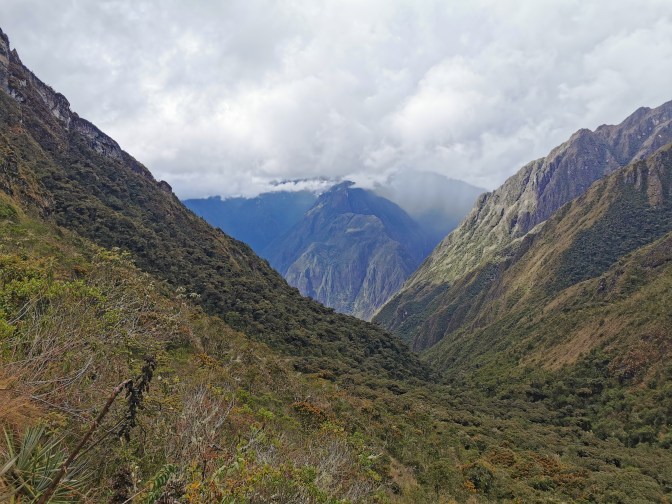
After resting here for a bit, it was time to start the second ascent of the day, this time to the Runkurakay Pass. Whilst we were starting from a higher altitude than we had done that morning before the Dead Woman’s Pass, and there was no where near as much ascent, it was mentally quite challenging to prepare for another pass after already completing the most difficult part of the trek on the same day.
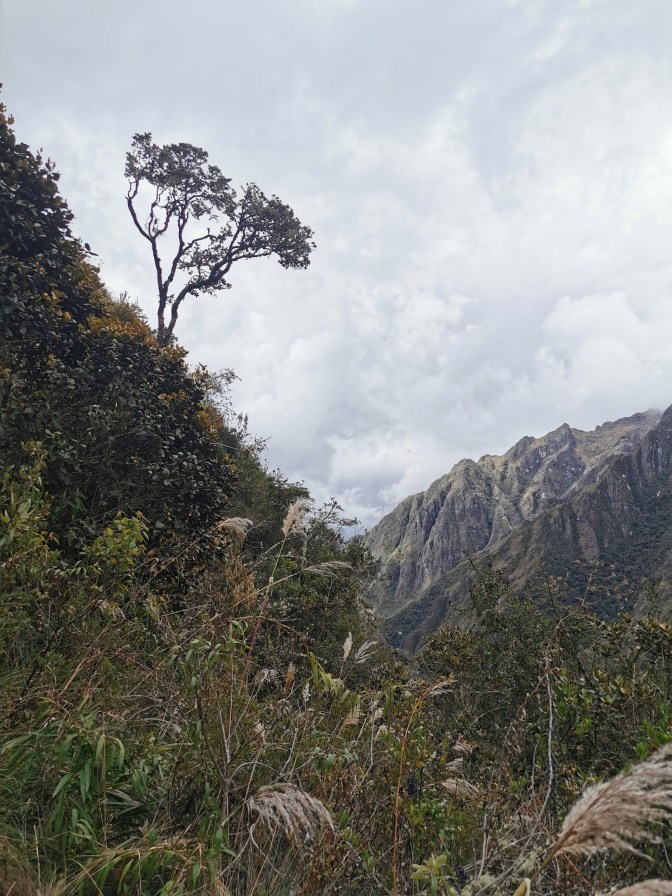
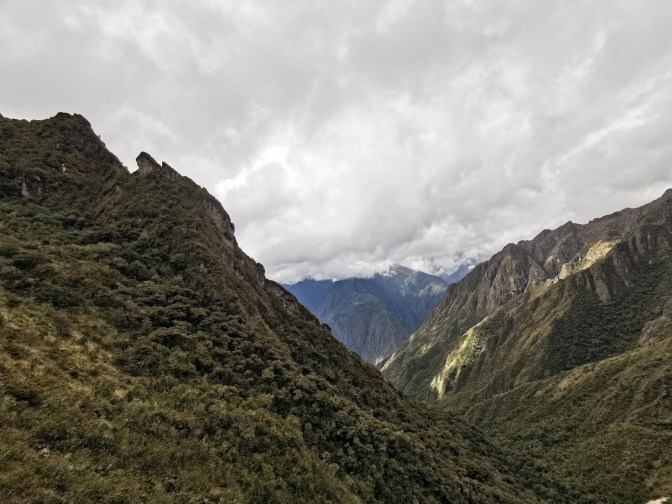
Half way up the slope we were reminded we were on the Inca Trail when we came upon the ruins of what is believed to be a small temple and watch tower, called Runkurakay. Whilst having the primary function of being a temple, it was believed to also function as a watchtower because it had a direct line of sight to the Dead Woman’s Pass in the distance.
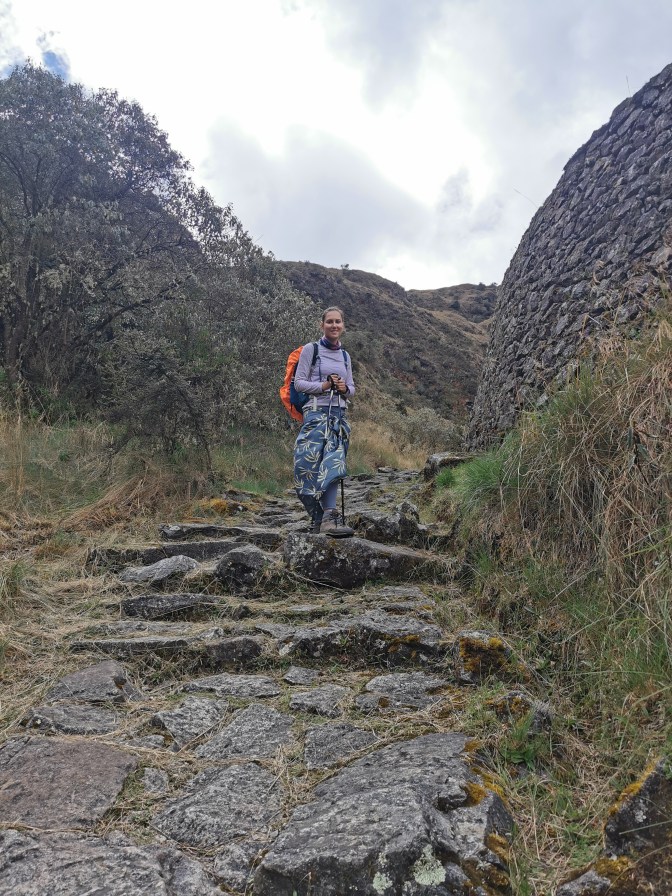
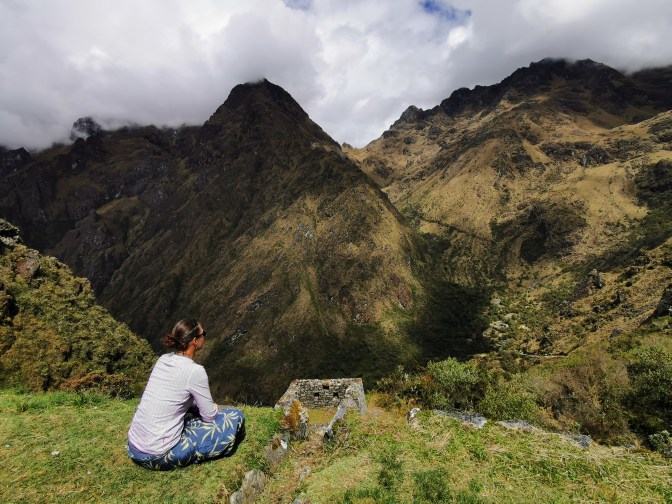
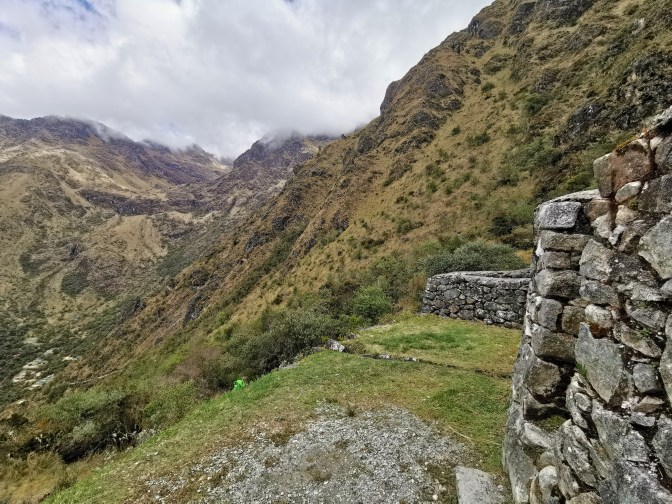
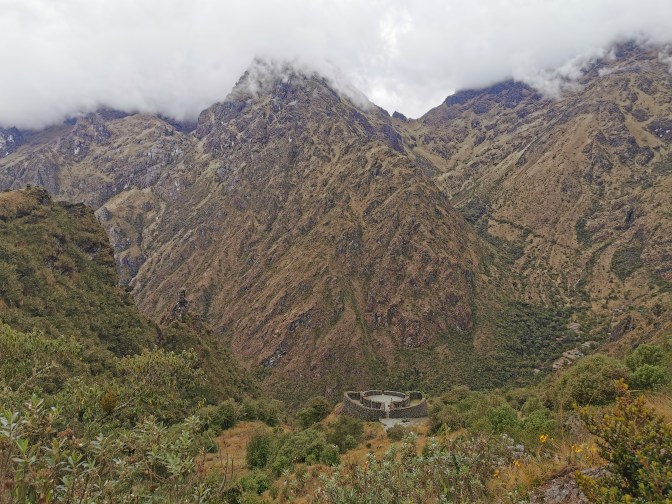
It wasn’t too long after that we made it to the top of our second pass of the day. It is a slight anticlimax reaching this pass as it forms a bit of a natural hollow, and you can’t actually see through the trees either the way you came or the way forward. Still, it was nice to have a rest before heading down again.
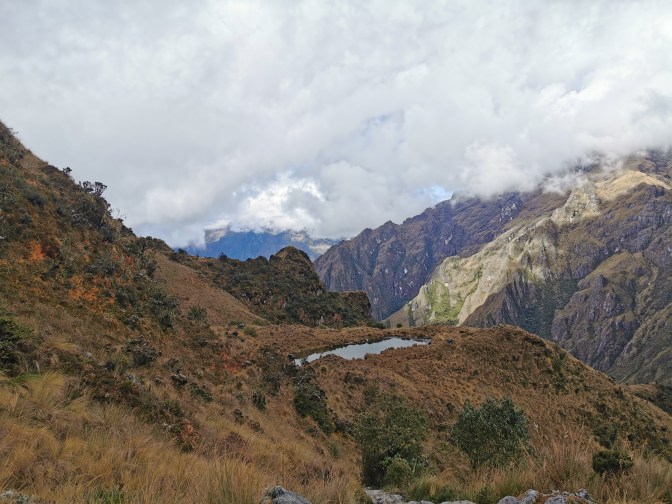
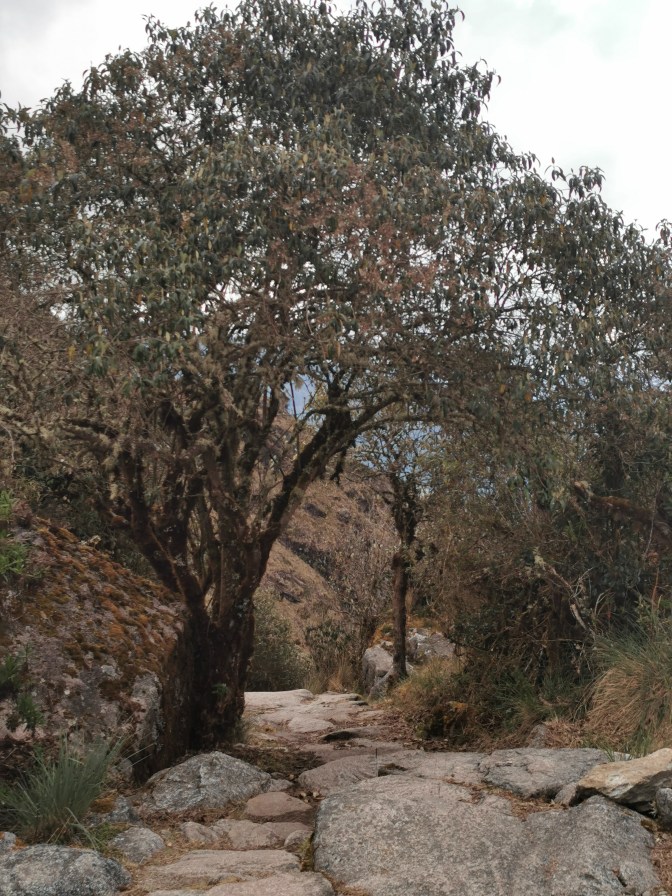
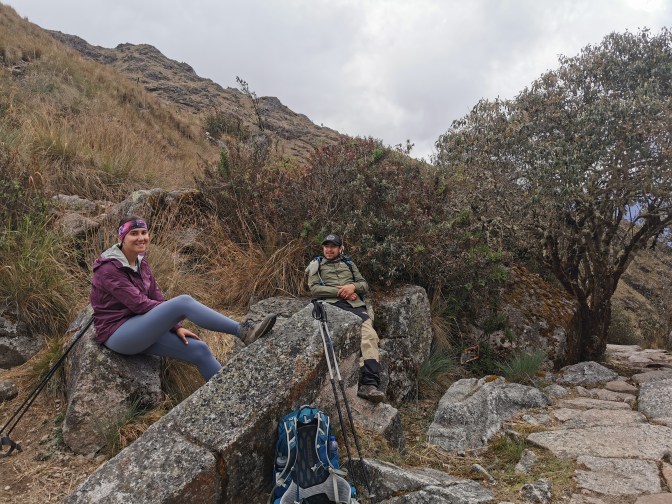
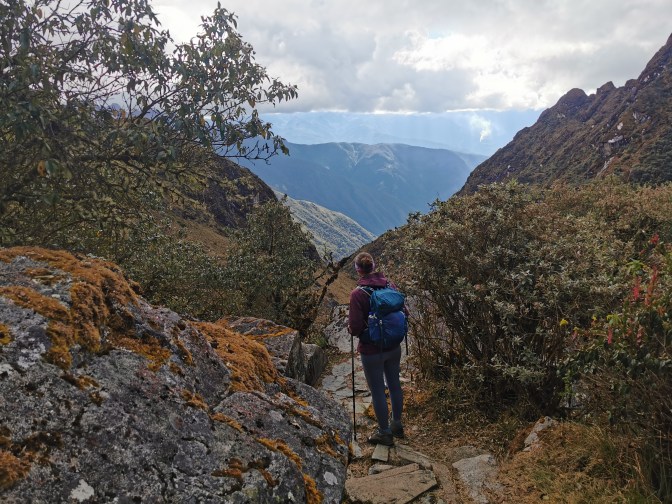
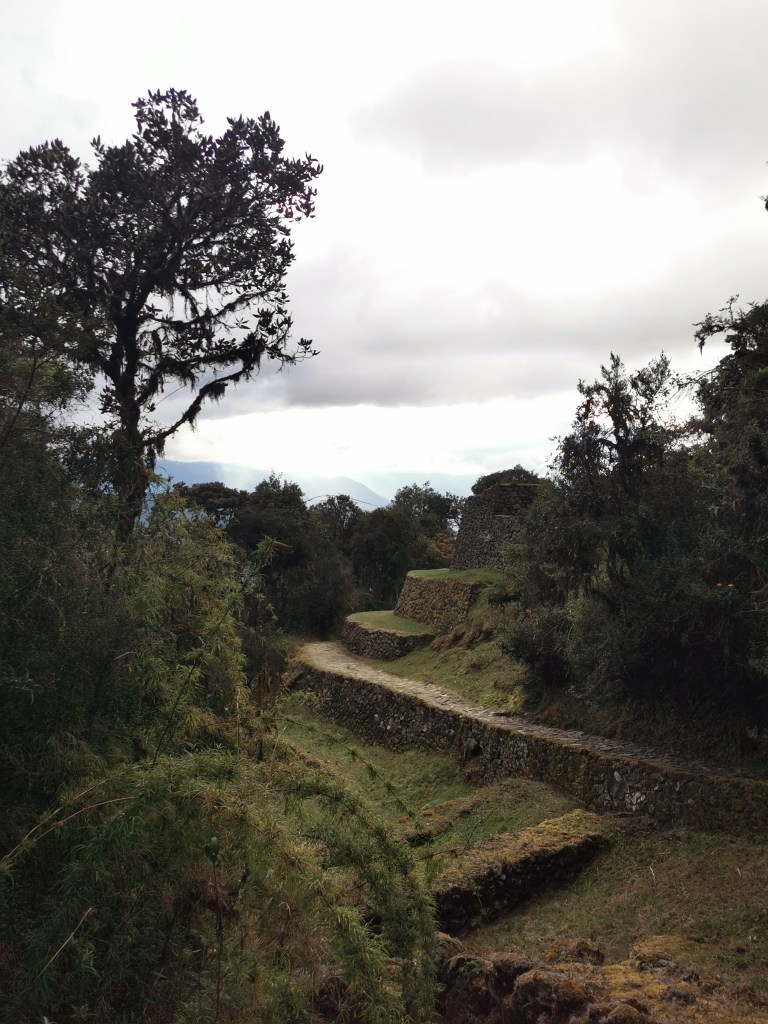
The walk down after the Runkurakay Pass was through really nice vegetation with beautiful scenery all around you. It isn’t long before you can see another Inca ruin perched on the hillside, the site of Sayamarca.
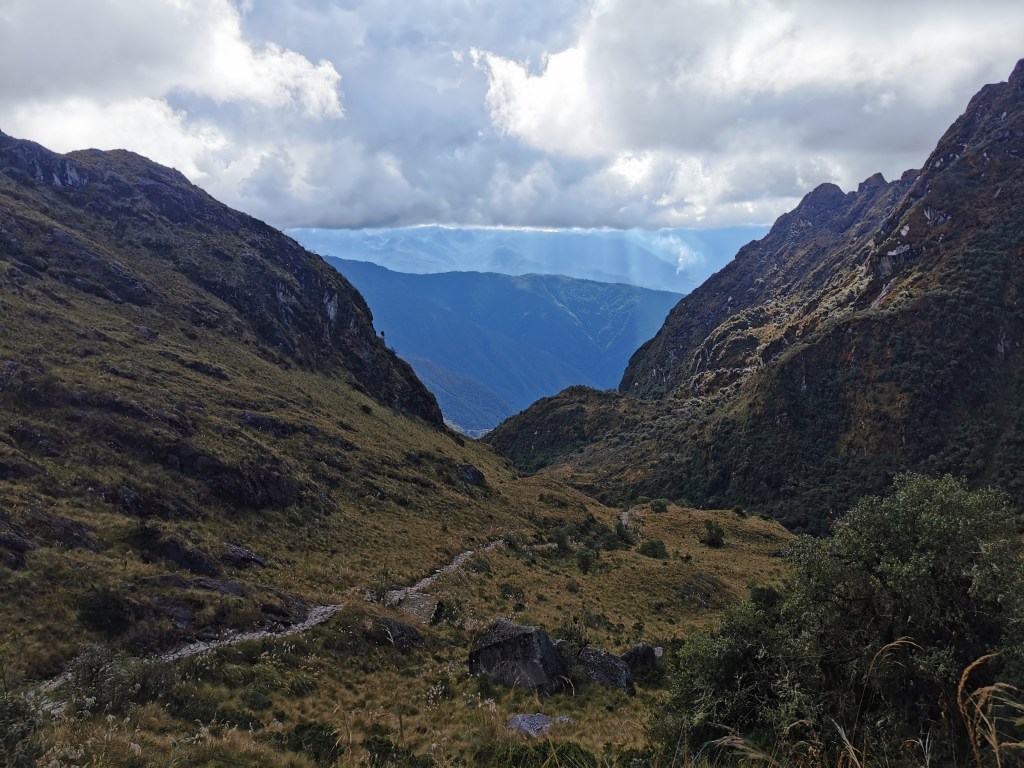
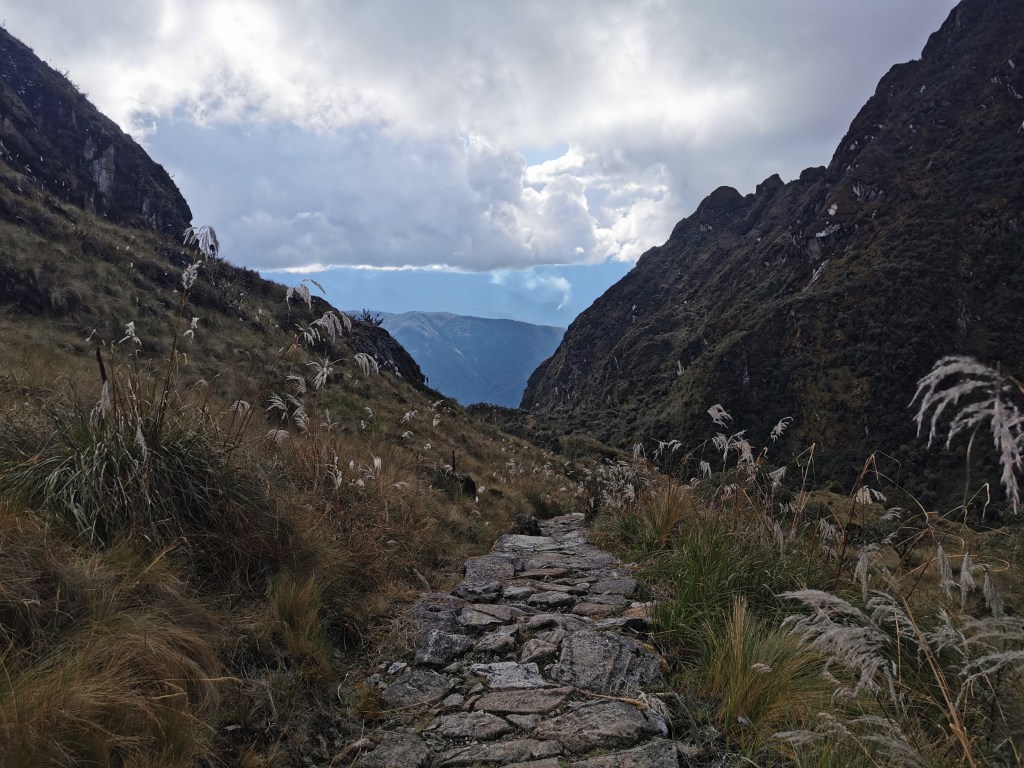
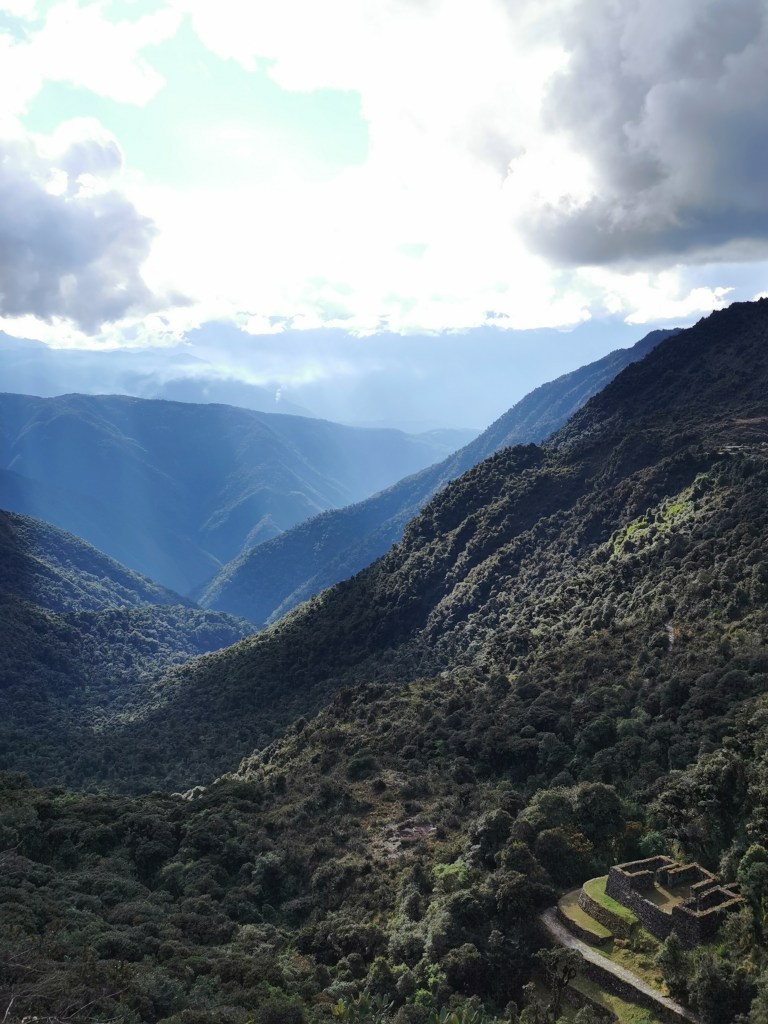
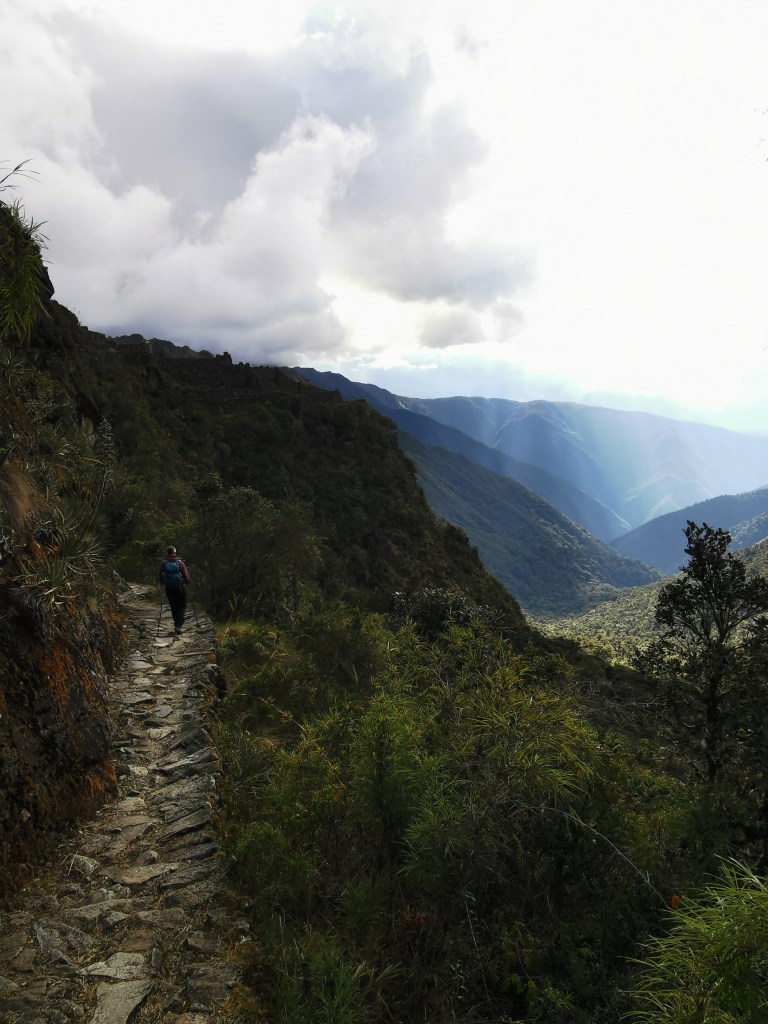
To access the site, you actually need to walk up another 100 or so steep steps and given that you need to come down the same way to carry on towards the campsite, it did cross our minds to just skip it and keep going. Luckily, those thoughts were quickly dismissed as the site of Sayamarca was pretty special. From learning about the aqueduct system that brought fresh water from high up in the mountains, to admiring the view as the sun slowly descended behind the tops of the mountains, this was definitely a place not to miss.
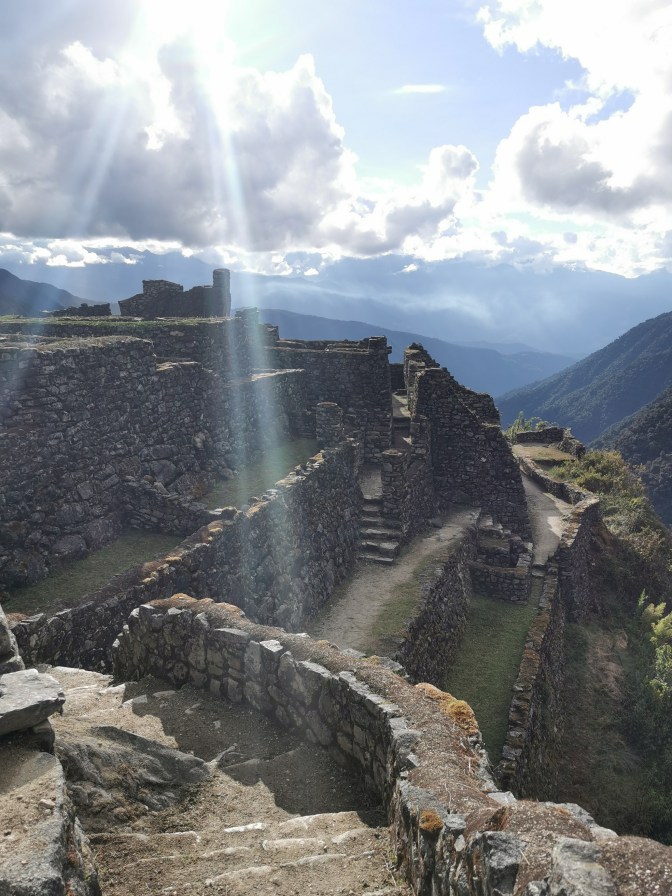
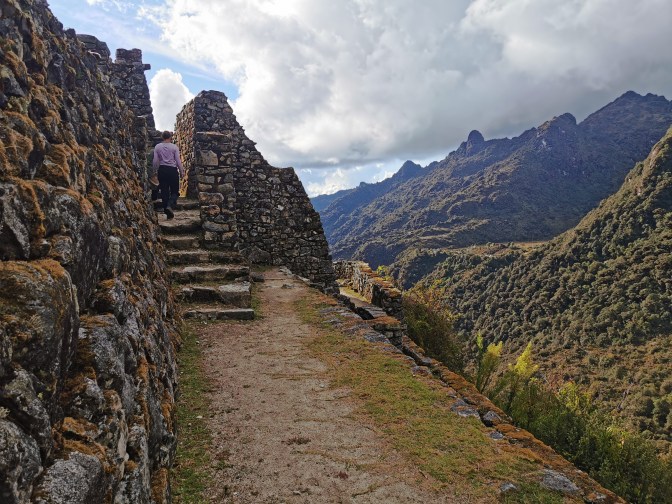
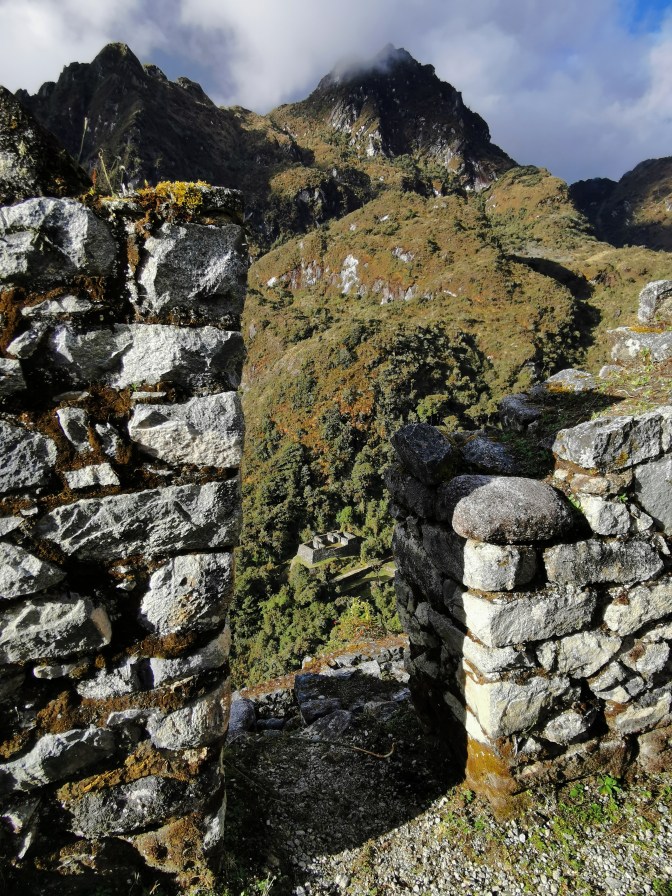
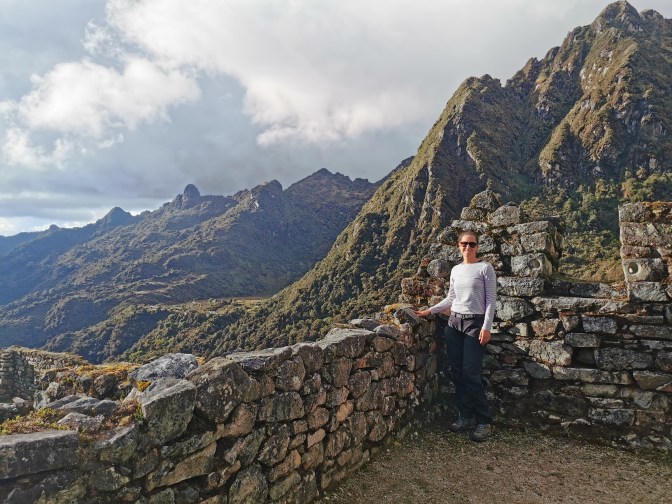
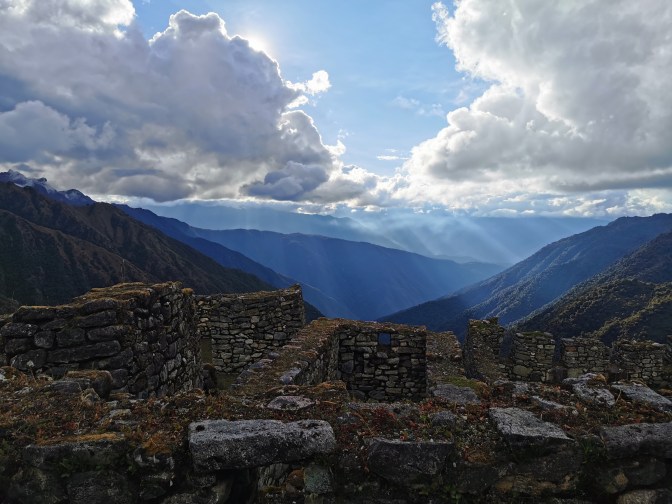
The campsite wasn’t too far away at this point, you just had to go down into the valley and then up the other side for a bit. You passed by another small Incan site but we didn’t spend any time there as we were keen to reach the end after a long day.
After another tasty meal we rested up in the tents to avoid the light rain that had started and had an early night. Unfortunately, this was not the last action of the day. At some point during the night the rain started to get heavier and we were woken up by water dripping on our faces. We had to move our stuff from the edges of the tents before trying again to sleep. We were then woken up by people walking around our tent. It turns out, however, that this was the porters digging a small trench around our tent so that it didn’t flood. All of the staff were amazing the entire trip and this was beyond kind and thoughtful.
Day 3 – Intipata and Winay Wayna
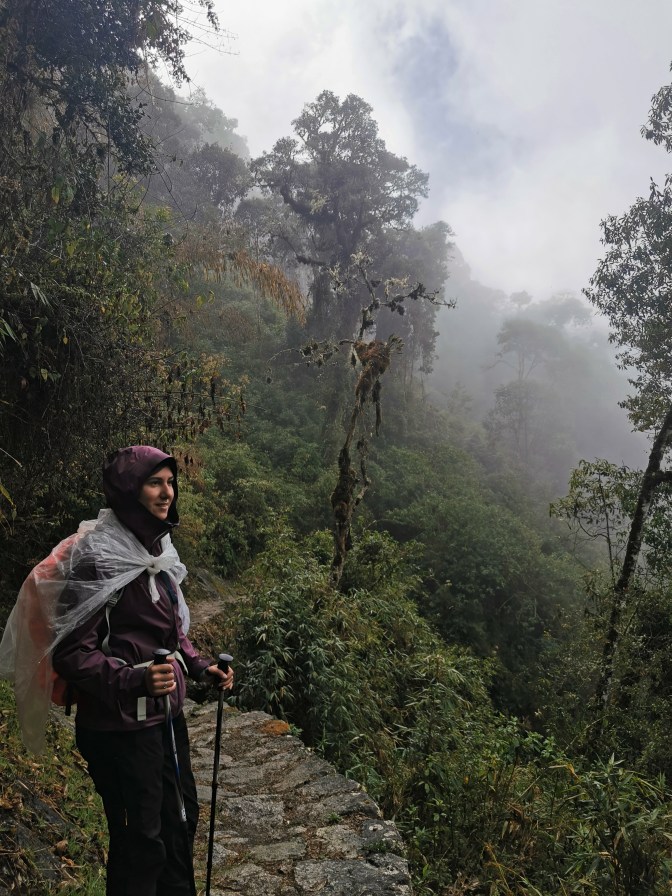
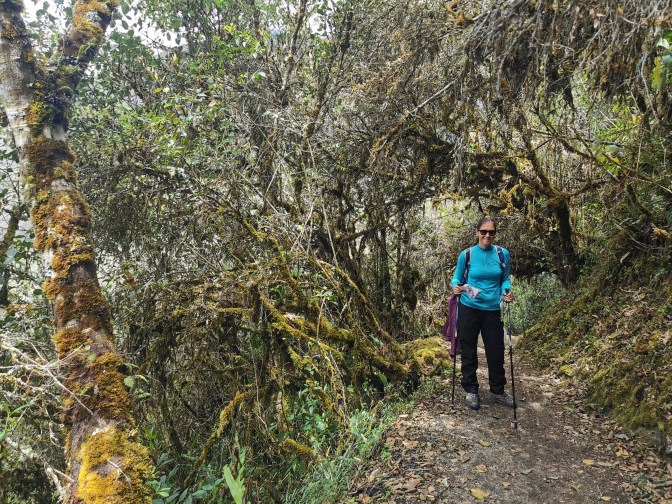
We woke to find that the rain had mainly stoped but that a thick bank of cloud was sat on our position in the mountains. The rain had also brought clouds of insects that made even brushing your teeth difficult. The route in the morning should have had amazing panoramic views over the valley as we trekked through the trees, but unfortunately our visibility was pretty limited. Our guide said that he preferred it this way, as it made the rainforest more atmospheric, but I think he may have just been saying this to lighten the situation. We had intermittent rain for the next few hours but at the times when some sunlight got through we had to admit that the guide had a point and that it did provide a bit of a different atmosphere. I still think I would have preferred sun though…
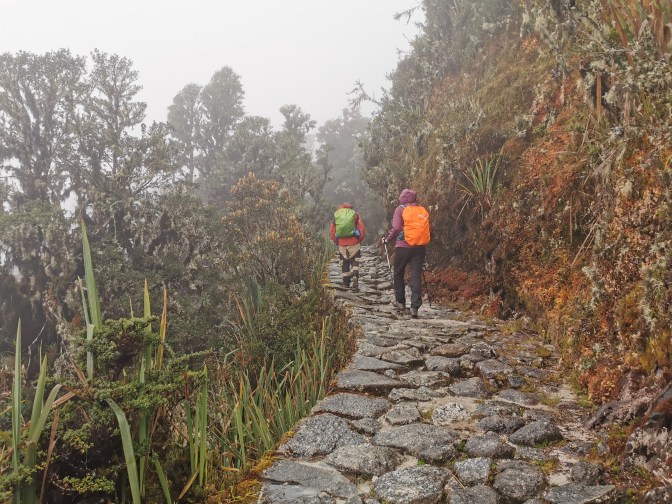
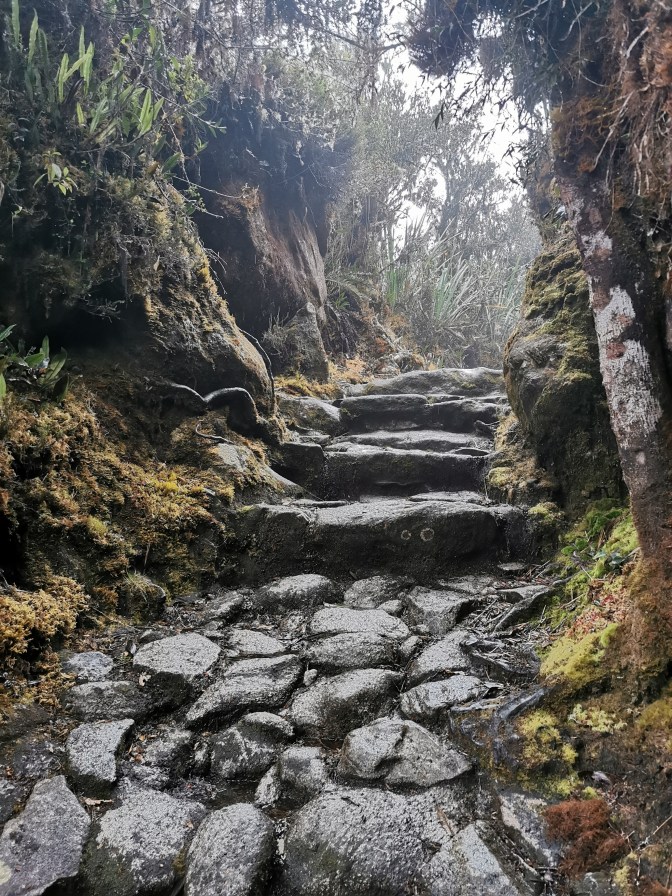
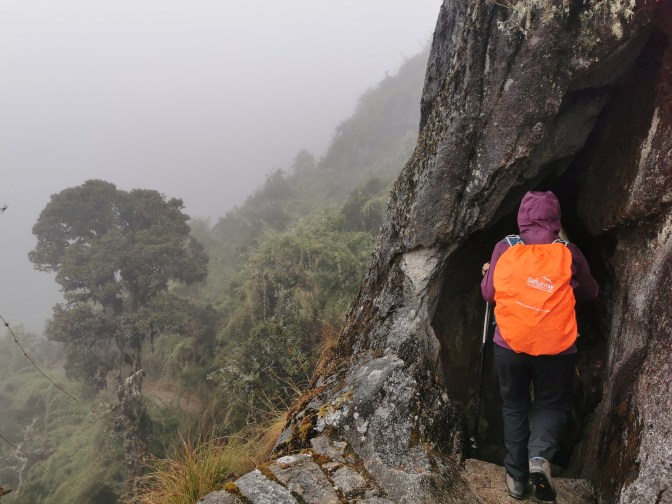
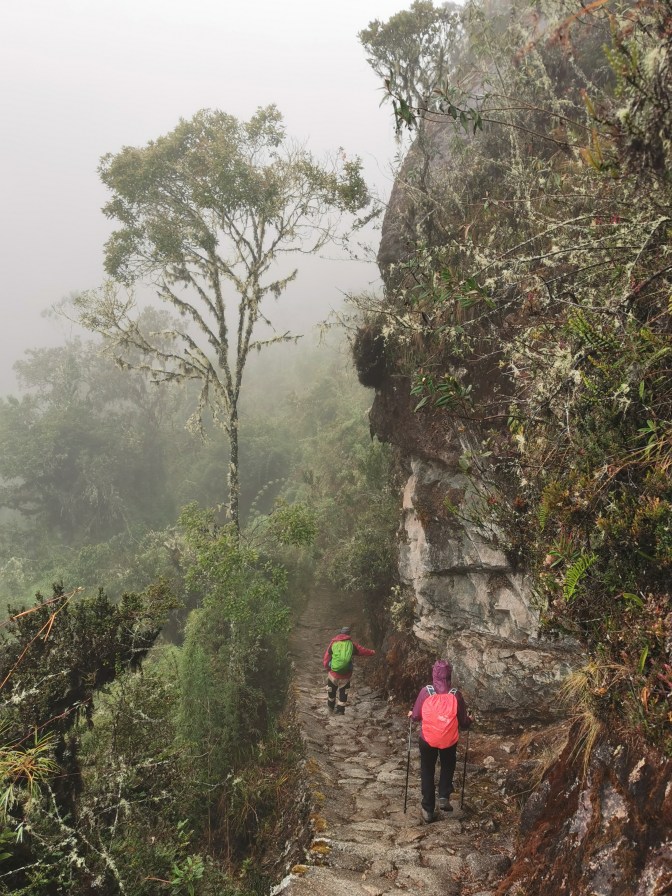
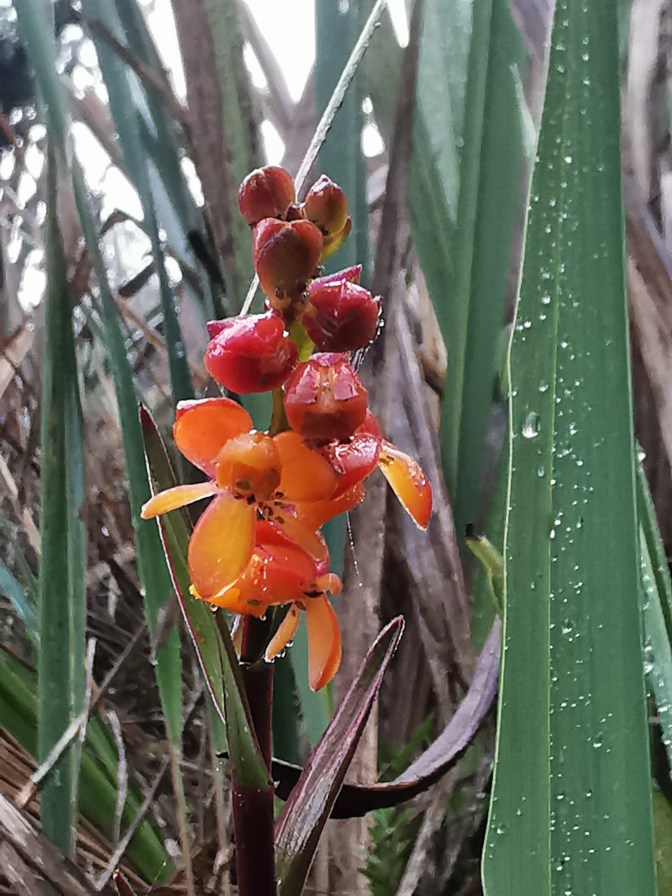
After a while we reached our first Incan ruin of the day – Phuyupatamarca. This means ‘city in the cloud forest’ and who ever named it was pretty spot on. The weather did detract from the amazing setting but it was still impressive and we saw our first llamas on the trail. Apparently they are owned by the government and put there to make the Inca Trail seem even more impressive.
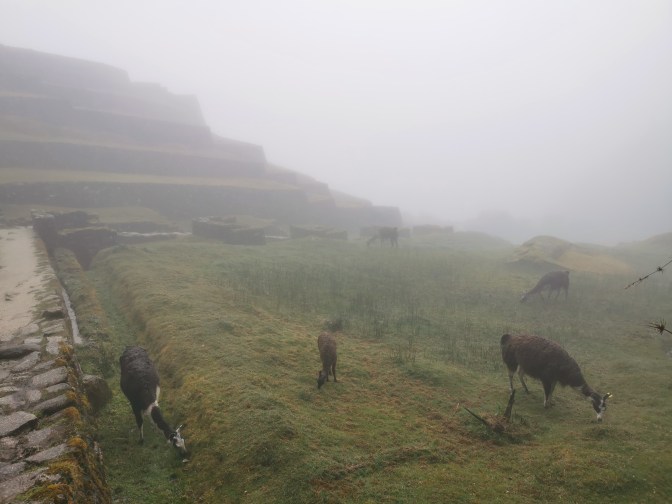
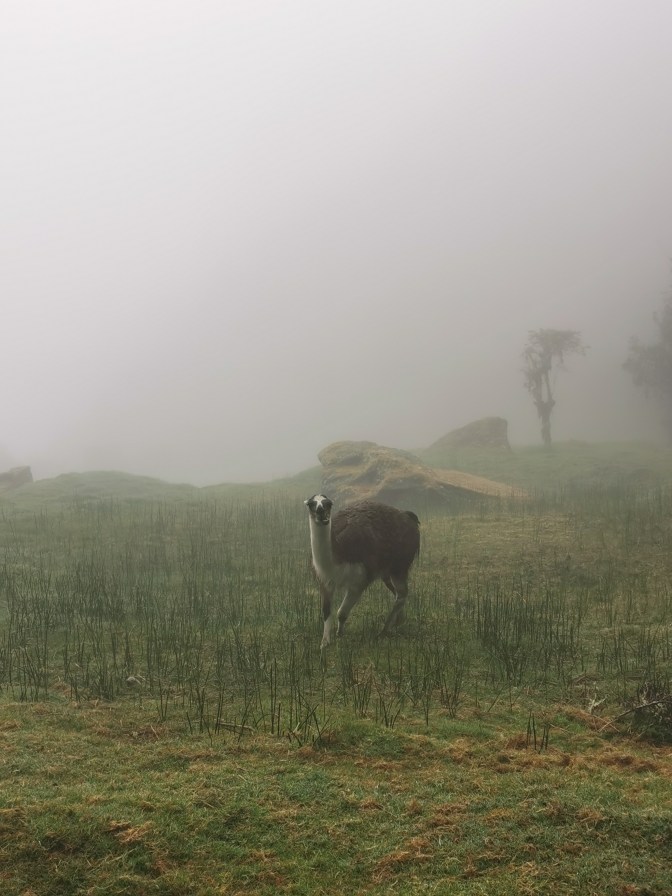
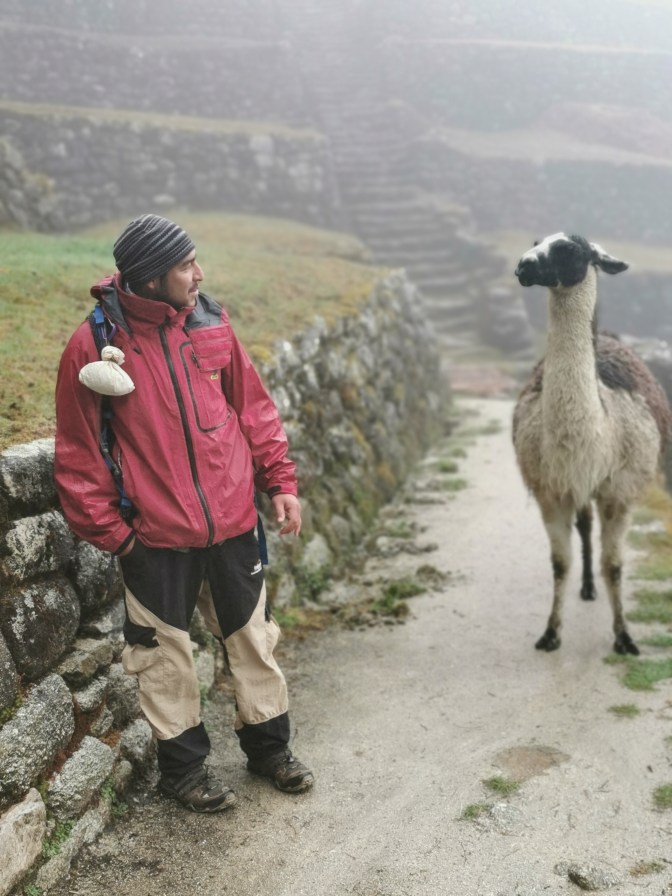
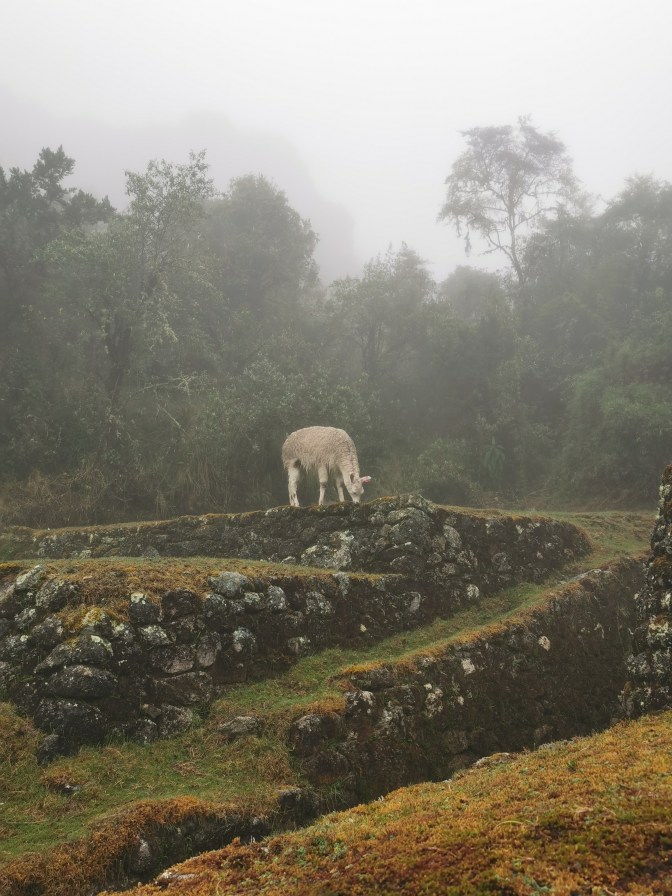
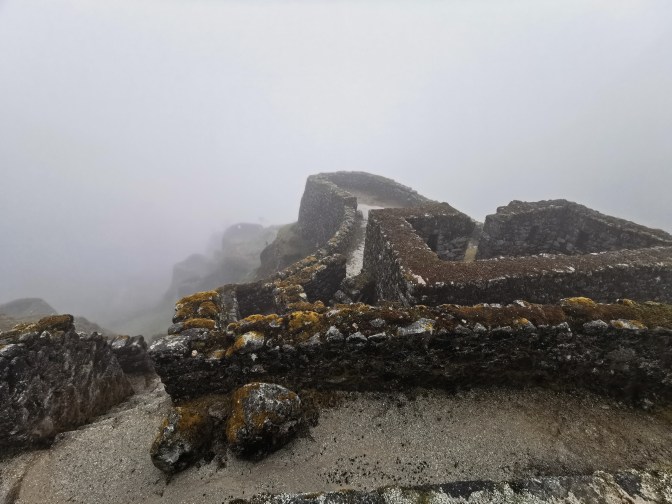
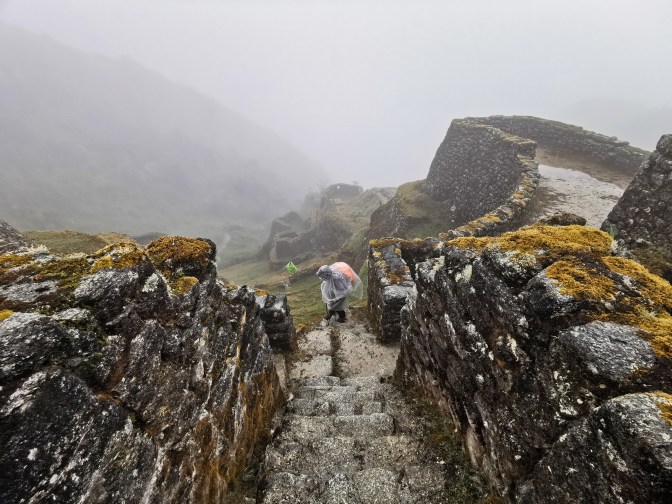
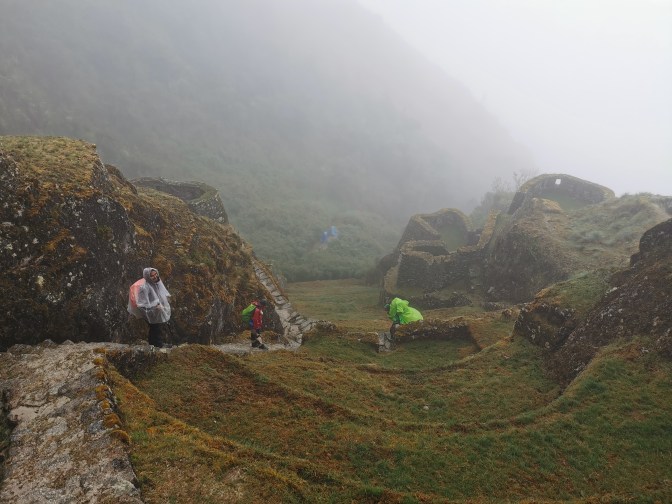
We continued walking through the damp forest on our way to the next ruin. Whilst there were parts that were undoubtedly beautiful, the oppressive weather did make the walk a bit monotonous. Then when we were two minutes away from the next ruin it started to get a bit brighter and as we reached the first stones, the sun came out. The timing was incredible and to make it even more unbelievable, the name of the ruin is Intipata, which roughly translates as the Sun Platform.
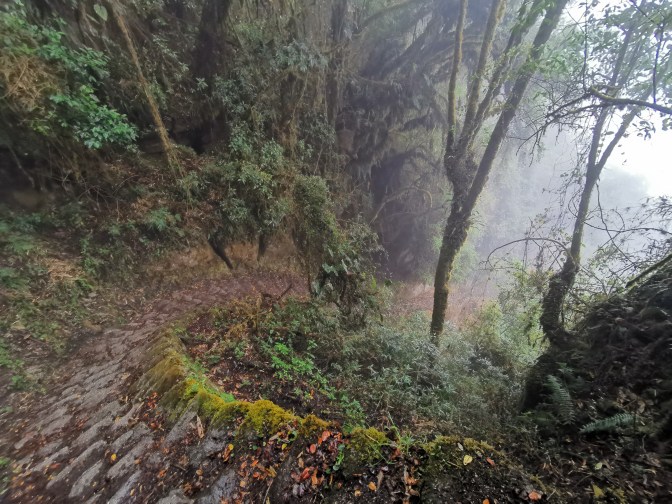
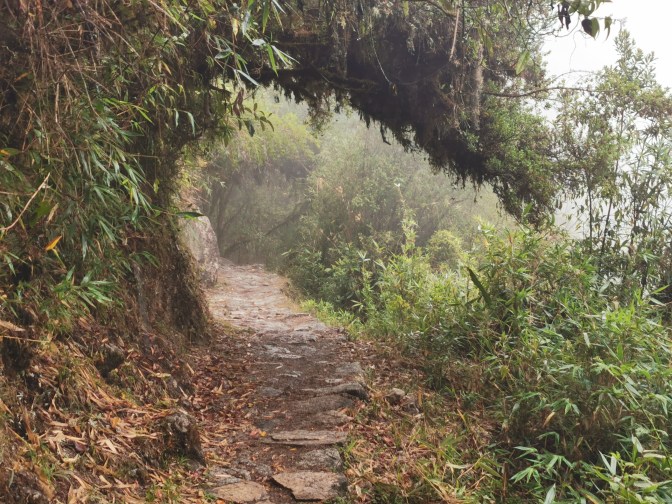
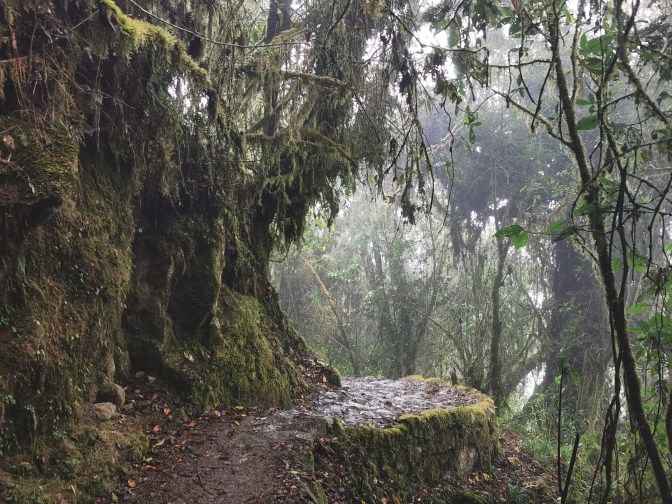

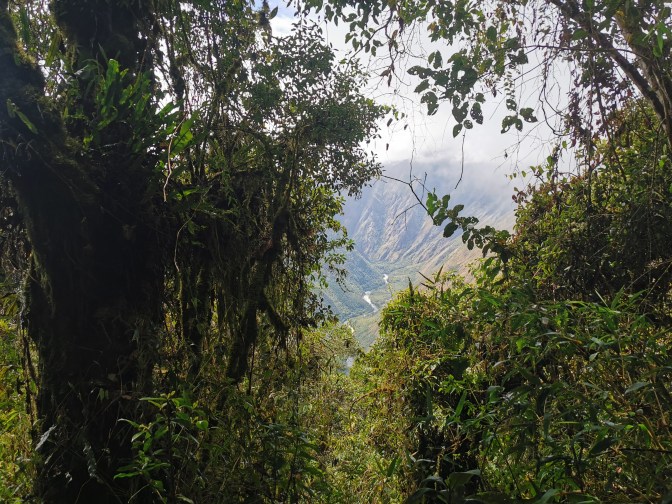
As we strode out onto the wide terraces the sunlight streamed down but when we looked around it seemed that the hole in the clouds was only for this part of the valley. Clouds still covered the horizon in every direction and yet the view down into the valley was amazing, making the ruin seem even more special. At this point we had the whole place to ourselves so we lay on the (dry) grass, had a snack and listened to our guide describe the history of the area. We leisurely walked round taking photos before it was time to head down towards our campsite.
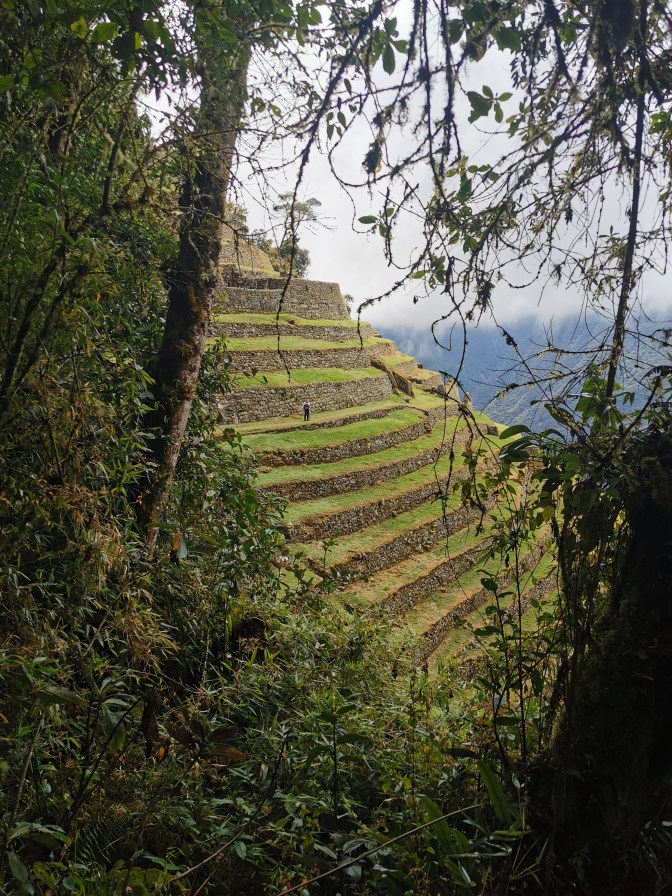
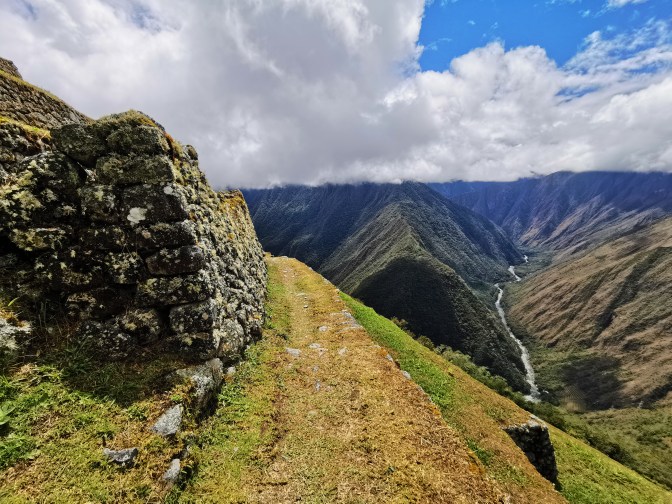
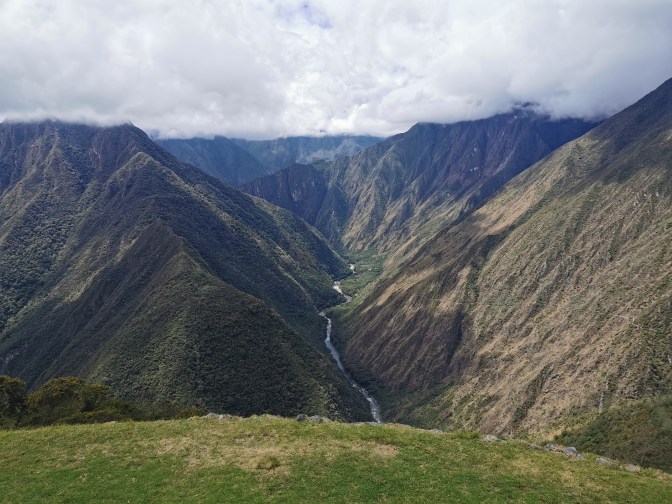
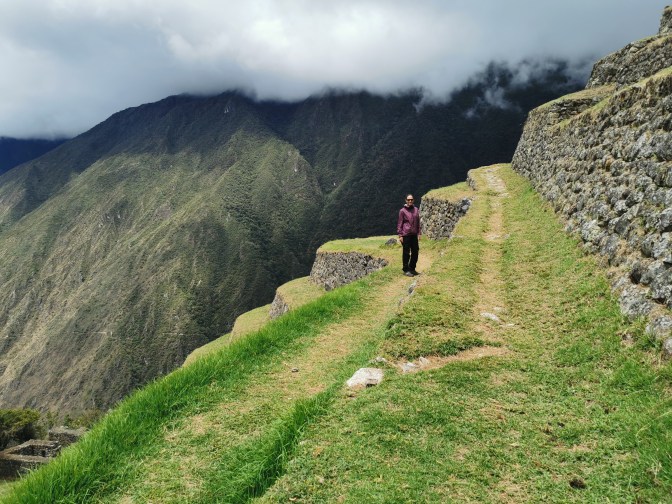
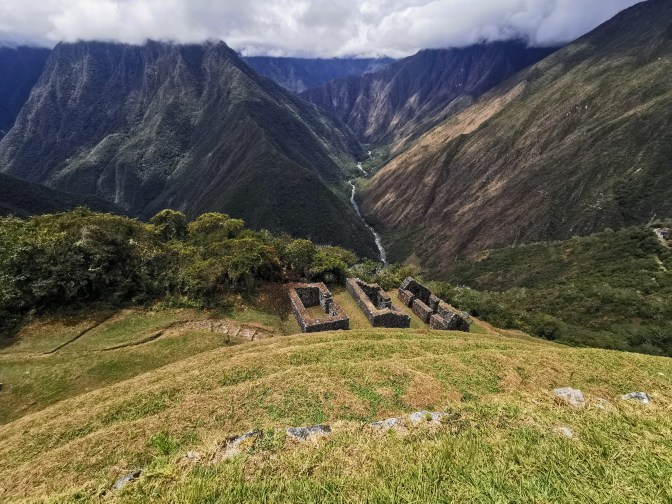
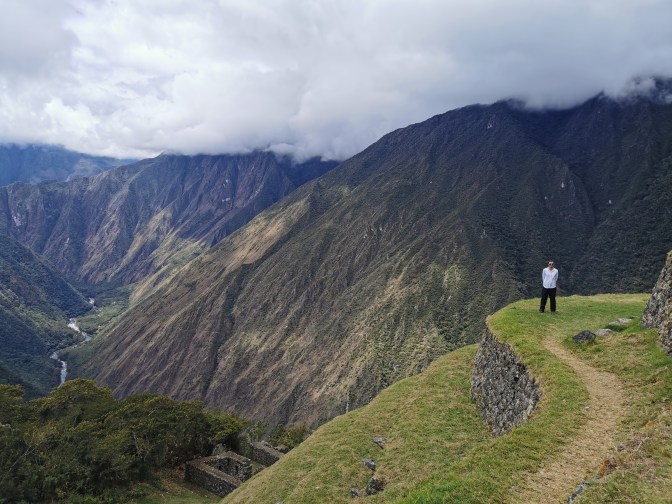
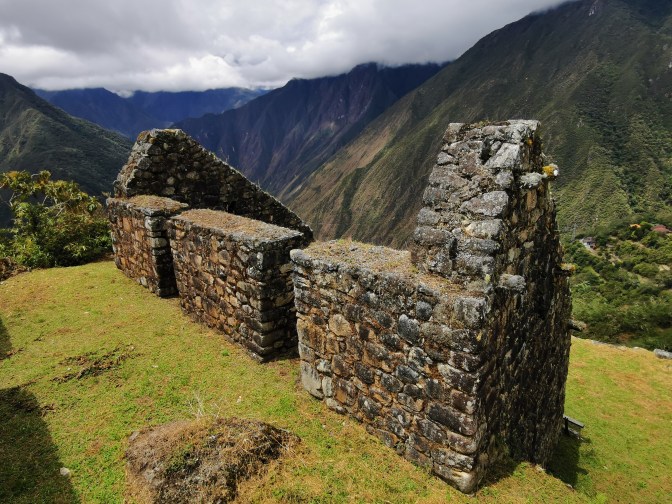
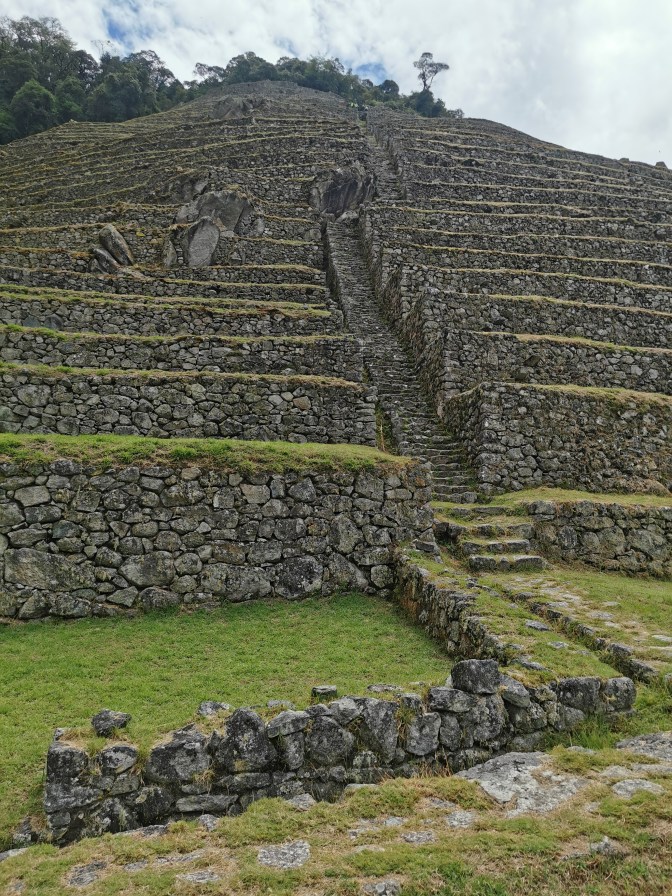
It did not take too long to walk through the forest to arrive at our last campsite. And yet from here the vast terraces looked like a tiny area up on the hillside. We had time to lie in the sun and relax before making the small walk to the Winay Wayna Archeological Site. The ruins on the trek seemed to have been increasing in terms of how impressive they were and this site certainly followed the trend. We again had the whole site to ourselves, so we were able to take our time wandering along the vast terraces before walking down the steps to the village below. The remains of the buildings were amazing, showing how they used the geography of the land to make houses with multiple levels. It was a special place and seemed like the perfect prelude to what was to come on the last day…

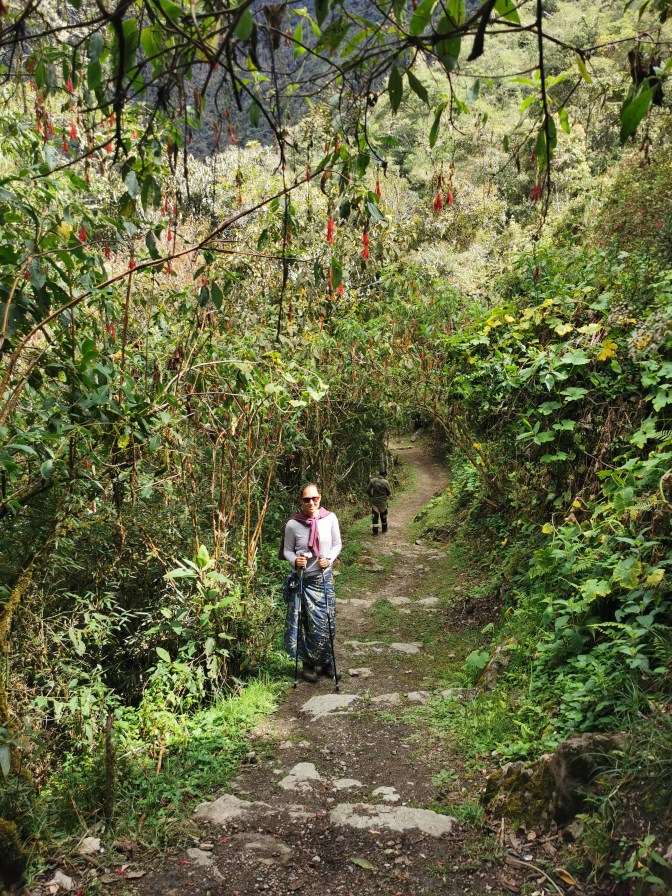
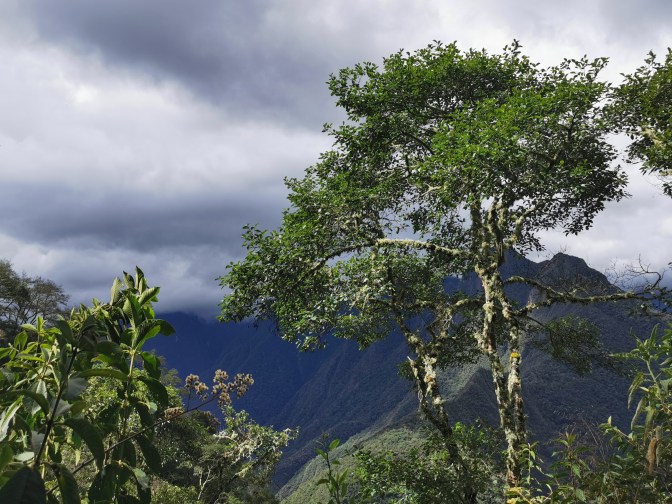
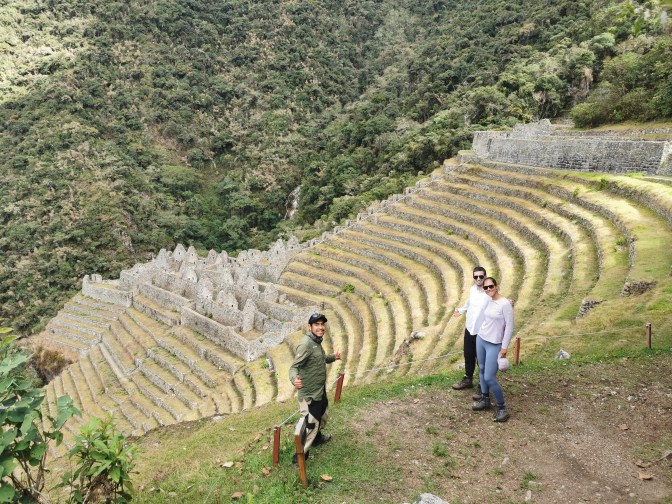
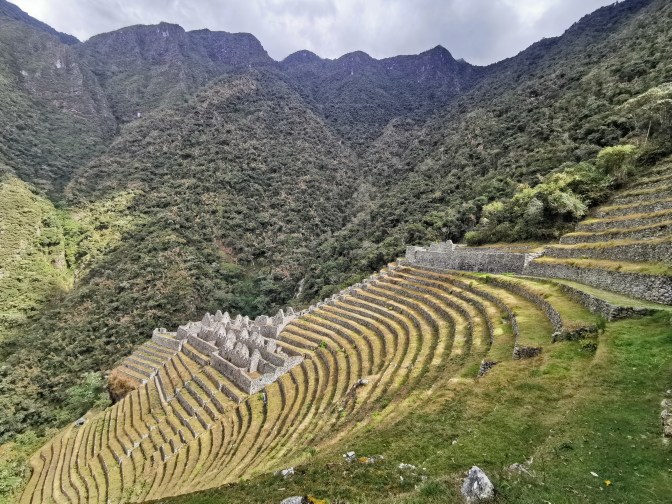
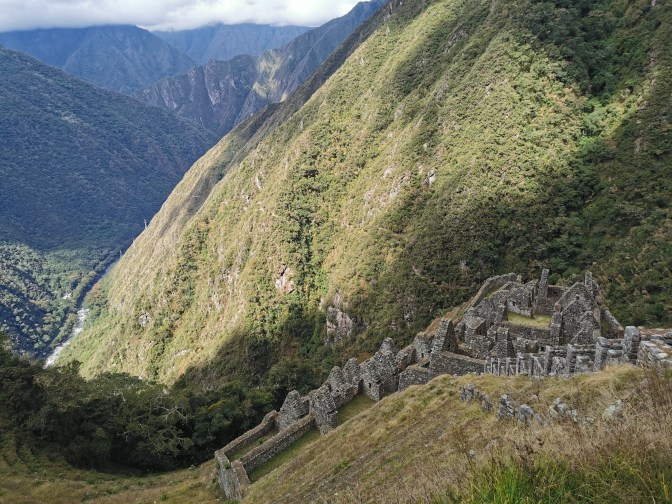
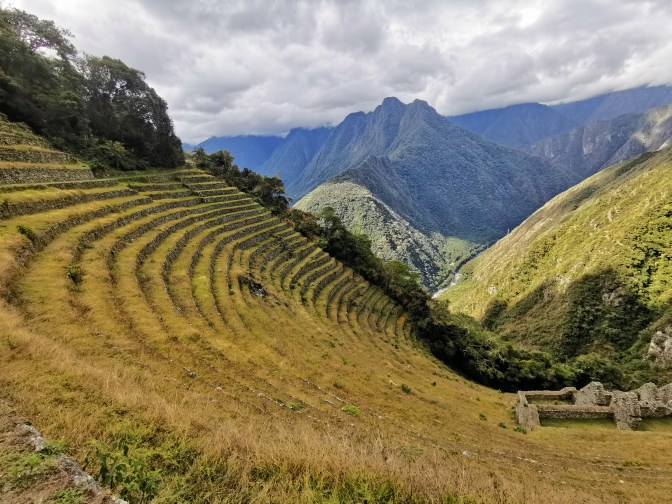
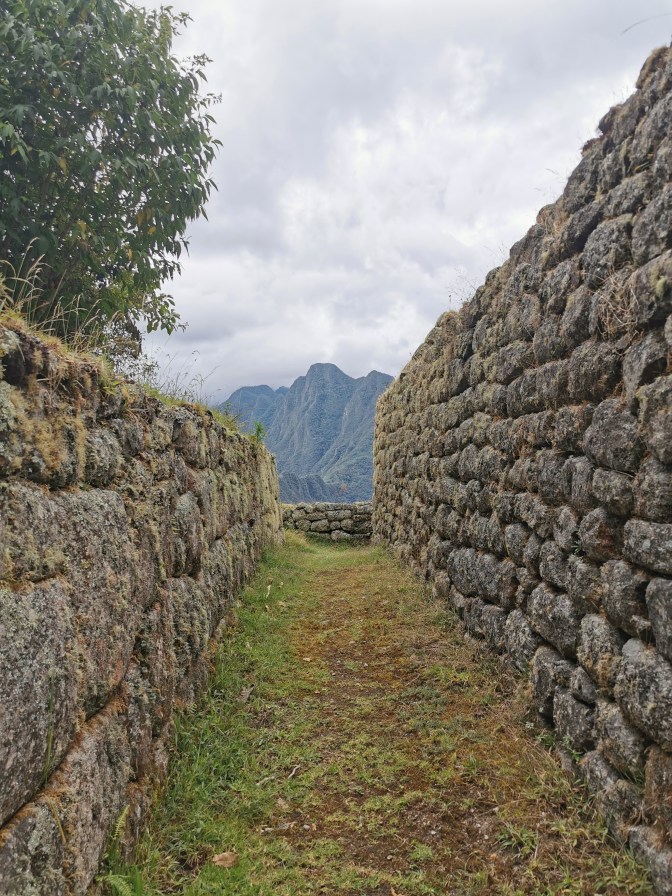
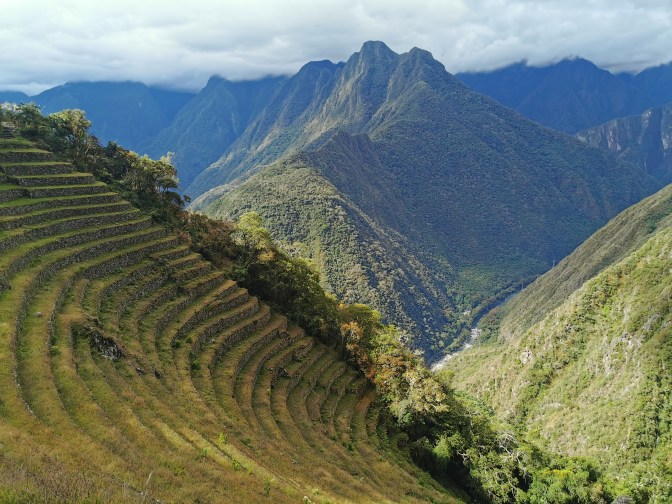
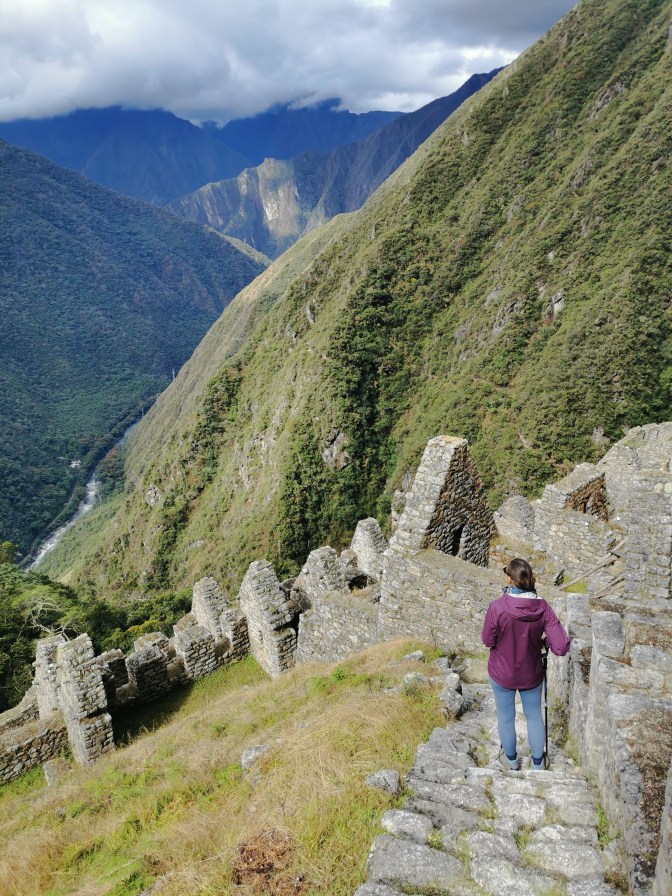
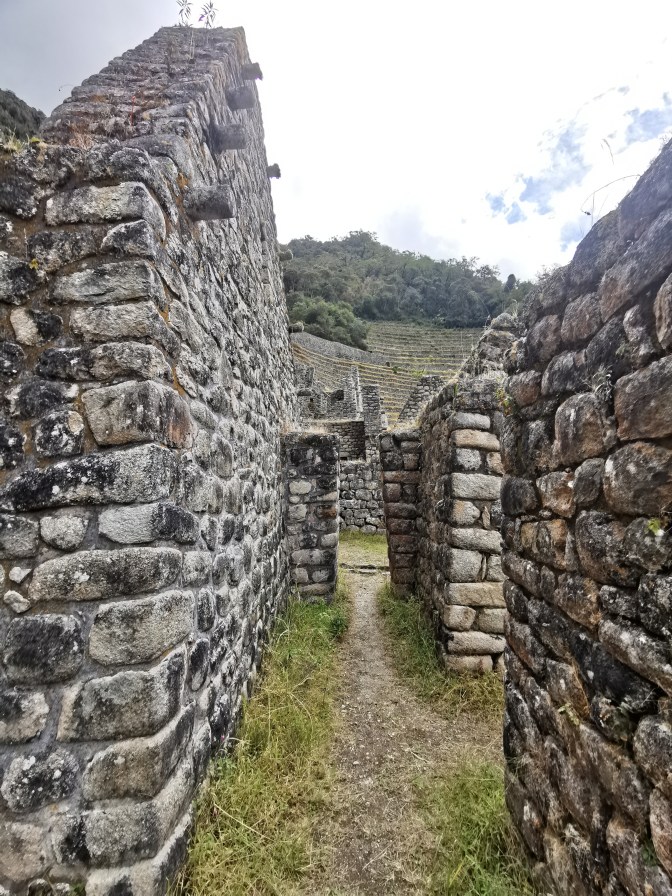

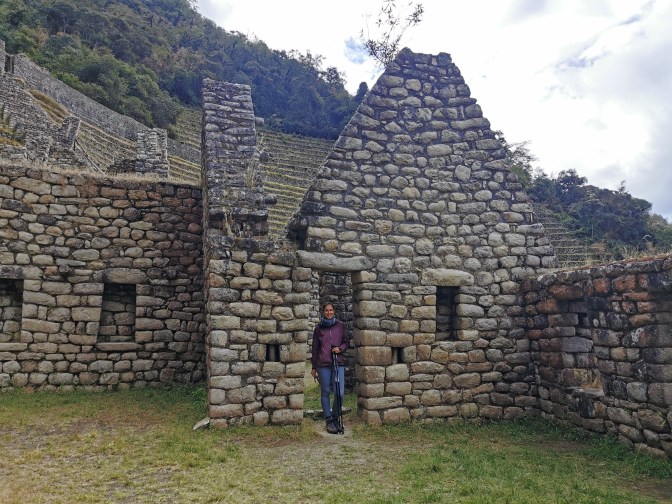
So whilst the majority of the third day was wet and a bit miserable, we ended the day in very high spirits due to the outstanding ruins of Intipata and Winay Wayna.
Day 4 – Machu Picchu
Our final day started by being woken up at 3am. Traditionally this time would be so that we could get a good place in the queue for the walk up to the Sun Gate. During COVID, however, it remained so that the porters could trek down into the valley to catch the early train (there are a limited number where they are allowed to transport the equipment). So we had to sit and wait at the entrance gate until it opened at 5:30am. It was fine, however, as it gave us time to eat a boxed breakfast and for the excitement to build.
Seven years ago when I had last done the Inca Trail there had been hundreds of people in the queue to enter. We had gotten up really early just to get in the first twenty or so people. This time, there were maybe twenty to thirty people in total. The change was just astonishing.
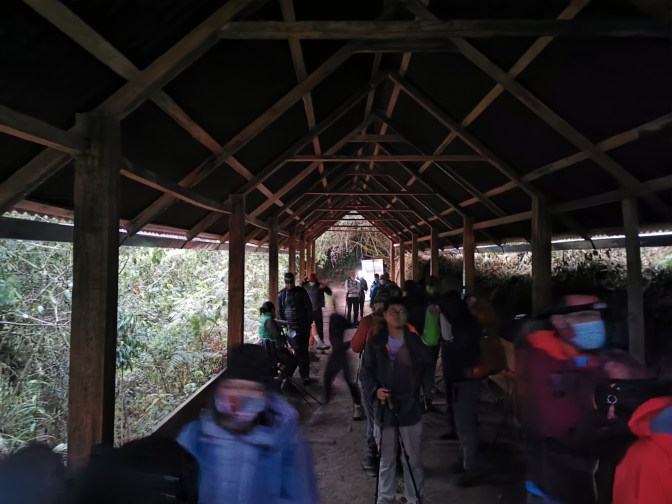
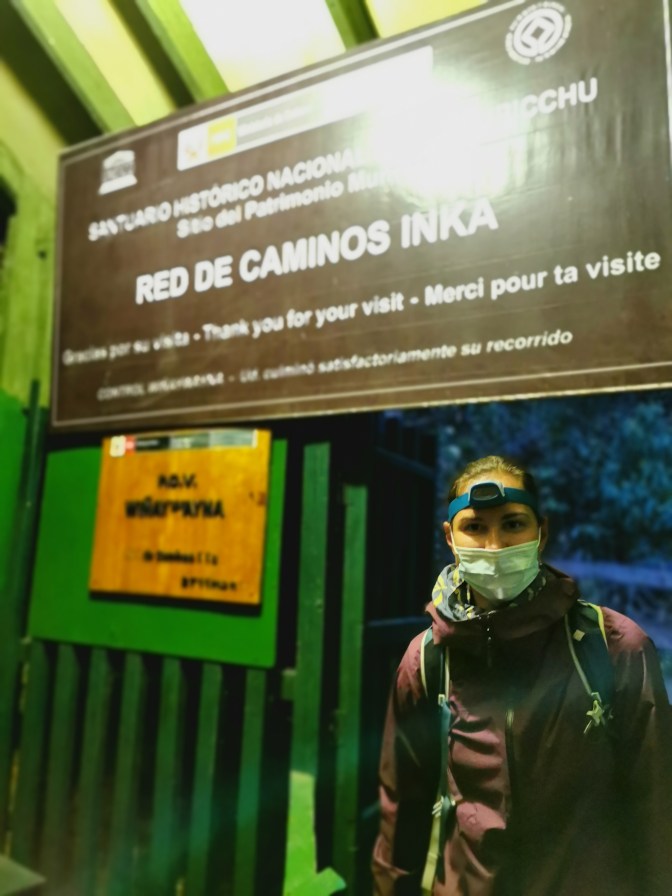
During some parts of the year, the walk from the entrance gate to the Sun Gate is done in darkness and you hurry up so that you can see the first light falling on Machu Picchu. It was already getting light towards the beginning of the one hour walk up to the Sun Gate but there was still a chance that we could see the direct sunlight first illuminate the lost city of the Incas, so we walked pretty quickly up the route. This included the ‘gringo killers’, a set of steep steps about two-thirds of the way up.
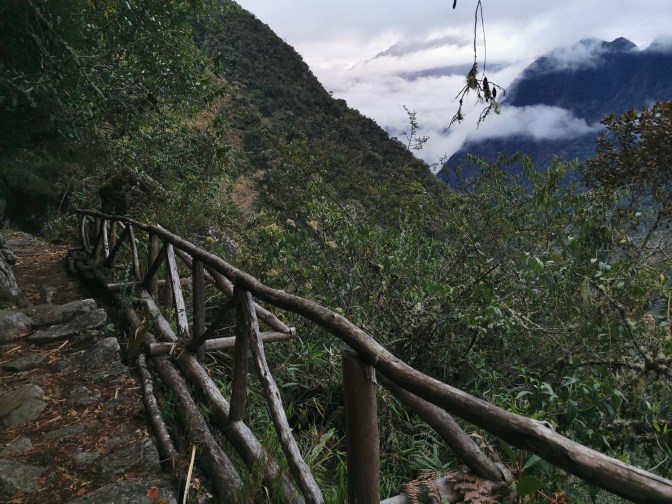
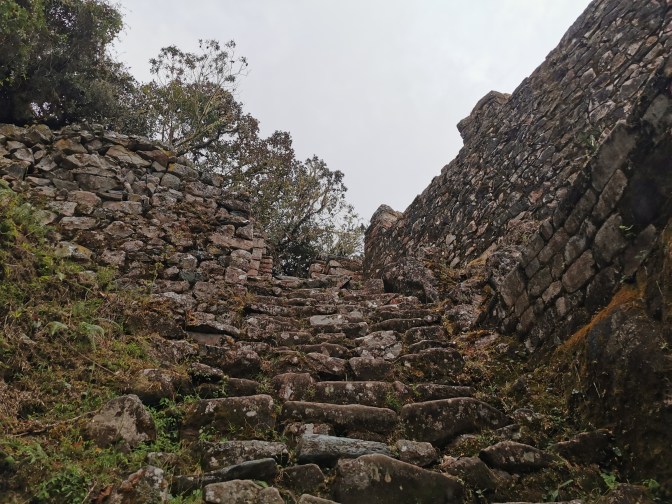
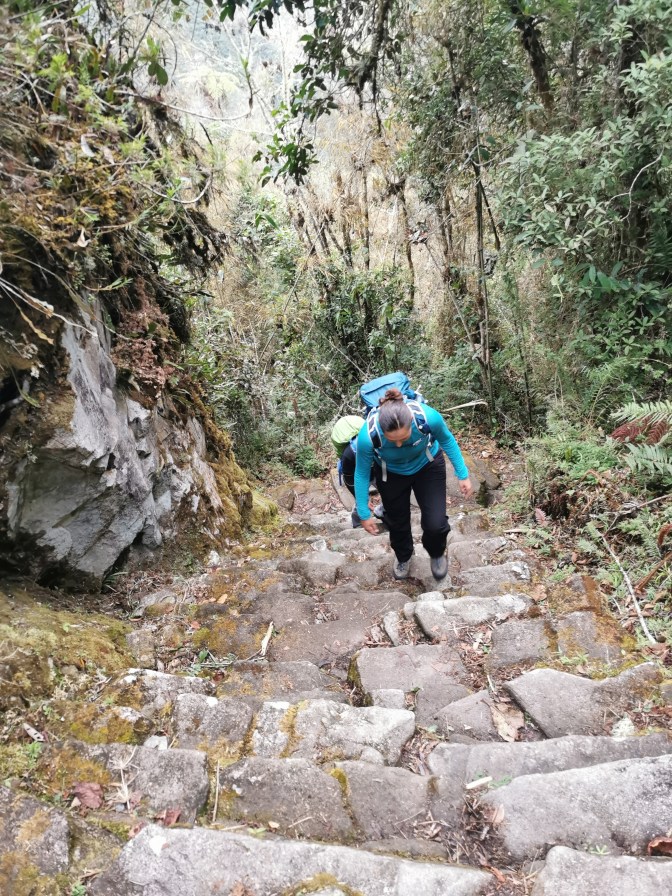
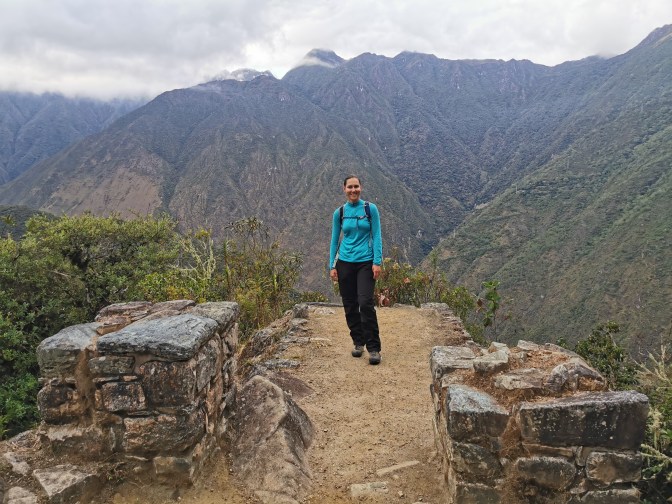
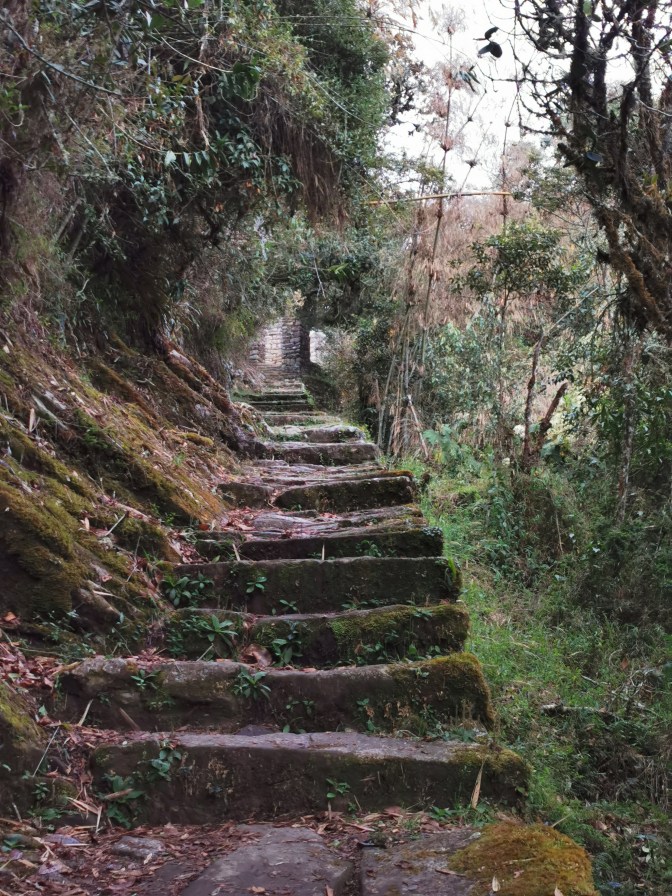
The excitement was growing as we took the last set of steps, getting closer and closer to… cloud. Thick, white, opaque cloud. The cloud on the other side of the pass as we had walked up had been high, and we had expected it to be the same looking down towards Machu Picchu. It was not to be. So, dejected, we sat down and waited to see if there would be any change. We had been the second and third people (well the third and fourth if you count the guard, who had had a head start!) to arrive at the Sun Gate and yet there had been no point in rushing. And yet, as we sat, the feeling of anticipation increased again. Instead of waiting for the first light to hit the site, we were waiting for the cloud to shift, eagerly waiting for that first glimpse. Because, despite seeing a number of ruins by this point, there is still something that bit more special about Machu Picchu.
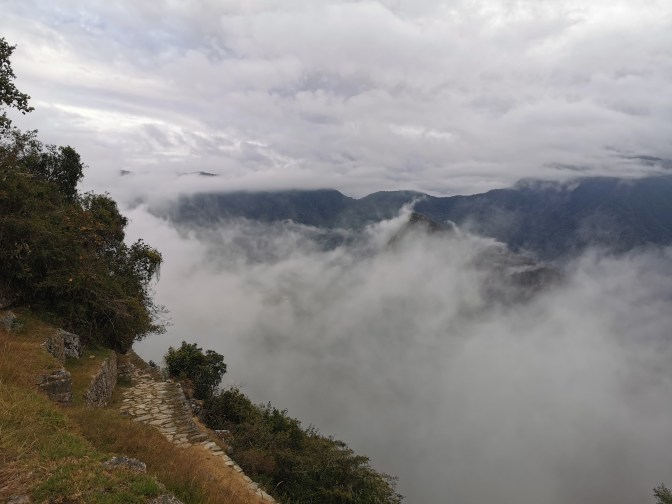

The cloud sitting on the Sun Gate also led to some amazing atmospheric views as we started the descent towards our end point. The sun just started peeping just over the pass, creating amazing patterns in the cloud.
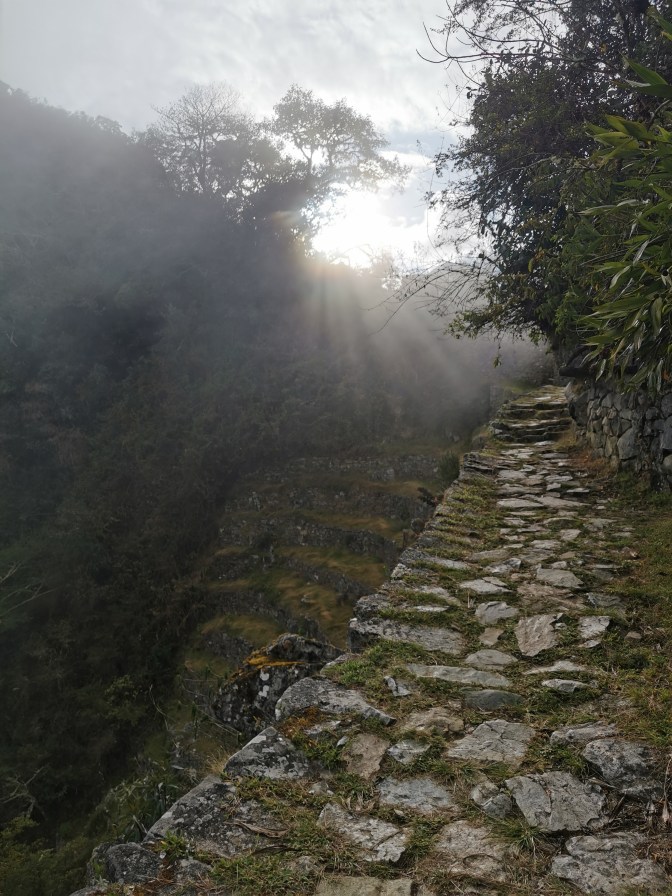
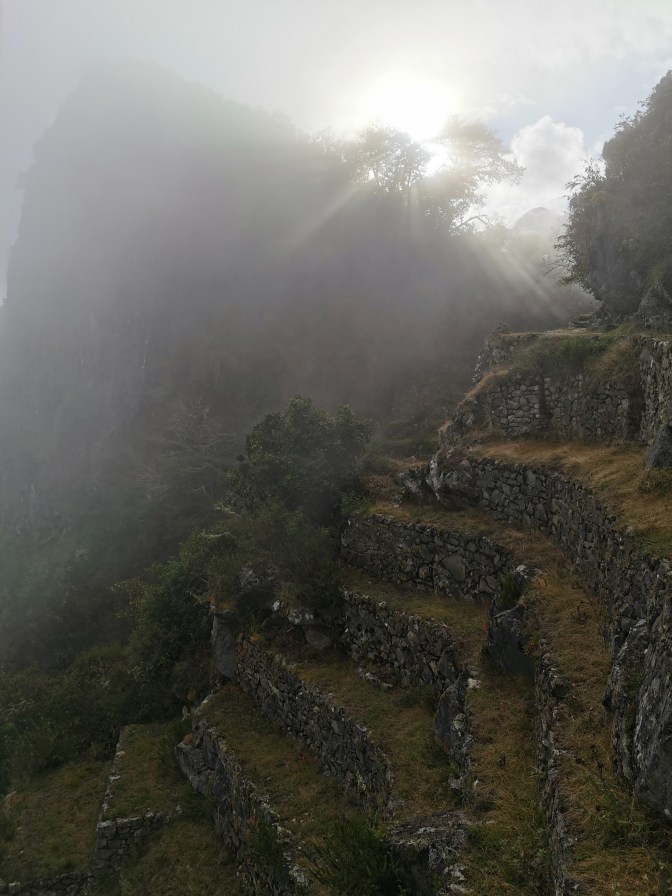

The path down to Machu Picchu takes another half an hour or so and passes through a couple of other ruins, supposedly places where pilgrims could leave their offerings. And the lower down we got, the clearer the view became.
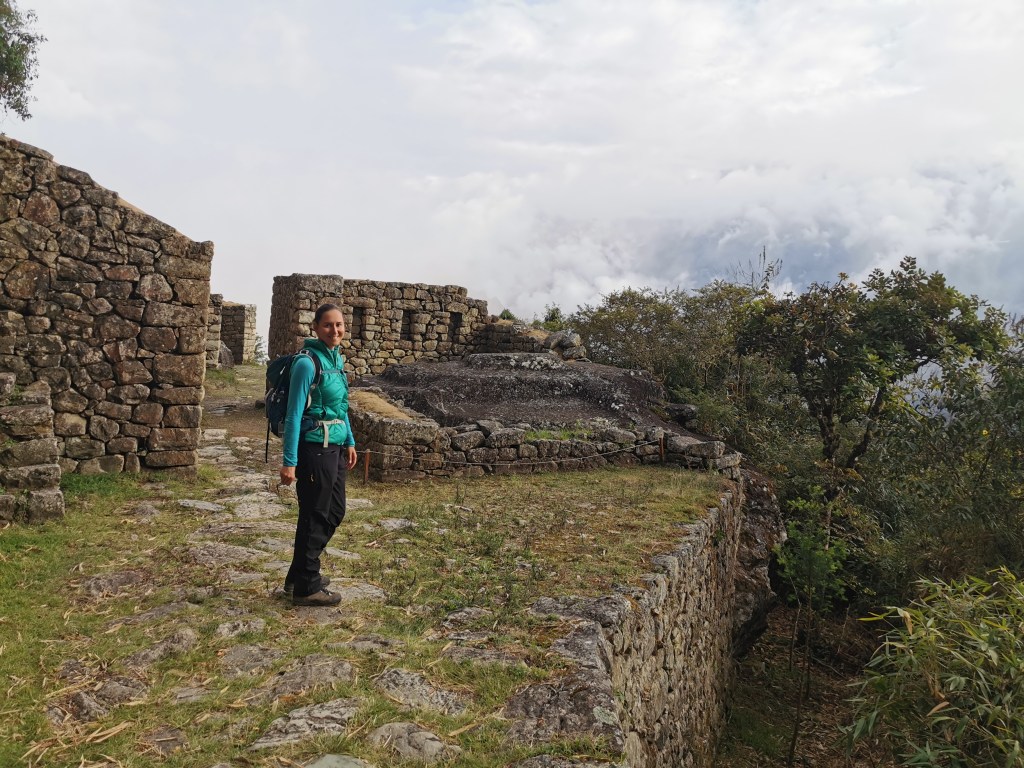
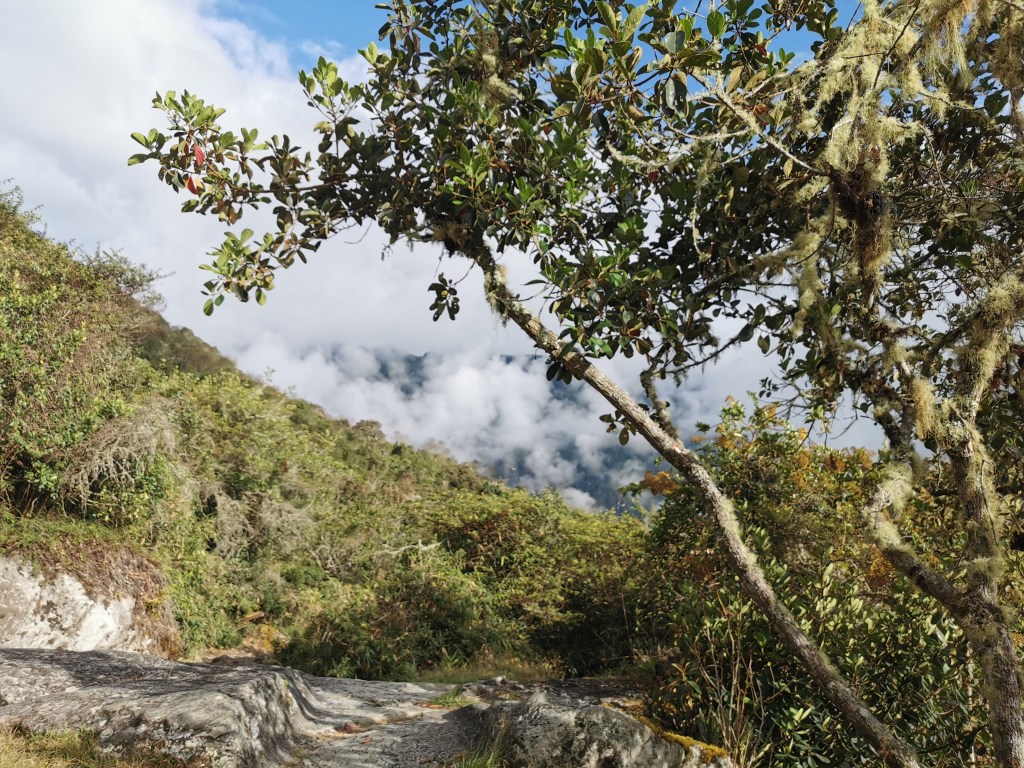
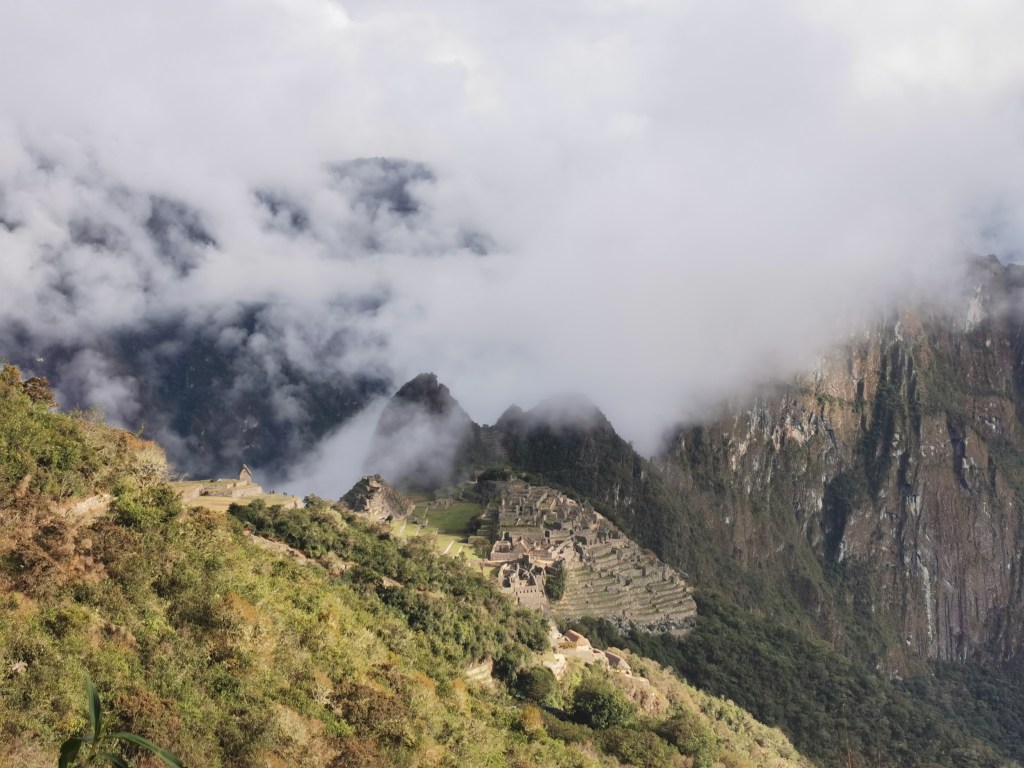
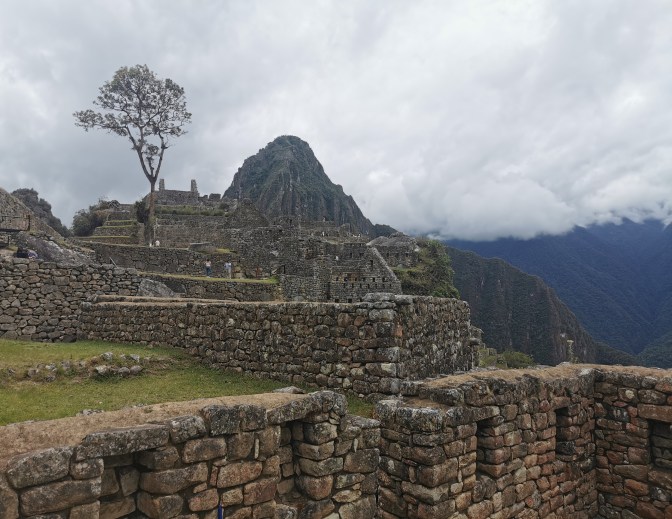
Until finally, we were there. Three and a bit days (or seven and a bit if you include the Salkantay Trek) of trekking to get to this point. And the views did not disappoint. Whilst there are other ruins of the same scale and condition as the actual bricks and terraces of Machu Picchu, the setting it finds itself in, with the towering green mountains on every side, make this place very special. It really is an awe-inspiring sight.
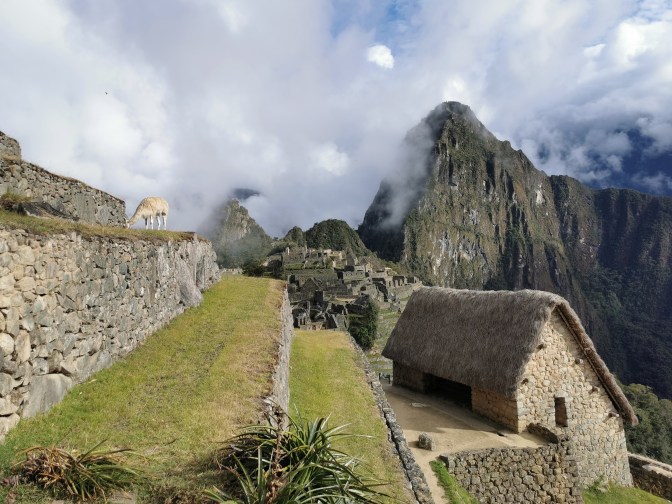
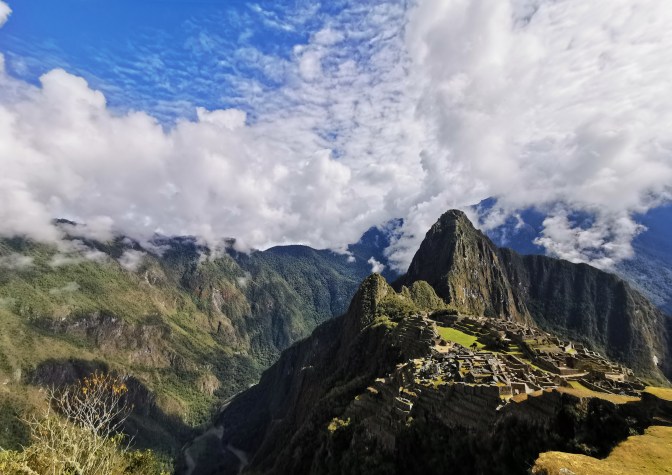
Unfortunately, at this point we met the rangers. Previously, those who had walked the Inca Trail and paid for the permit to do so, could enter the site straight away. Now, we were directed down the steps to the main entrance where we had to sign in and then join the queues of people who had just gotten the bus up from Aguas Calientes. So whilst there had been many times fewer people doing the Inca Trail than before COVID, it seemed that there was no shortage of tourists who were just coming for the day (these tourists seemed to be mainly from Peru from the selection that we saw). This whole process took about 45 minutes and by the time we got back up to the high point overlooking the city, there was already hoards of people who had entered.
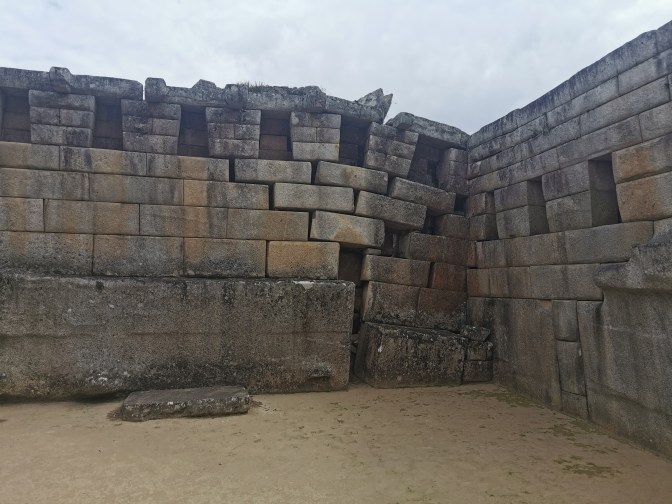
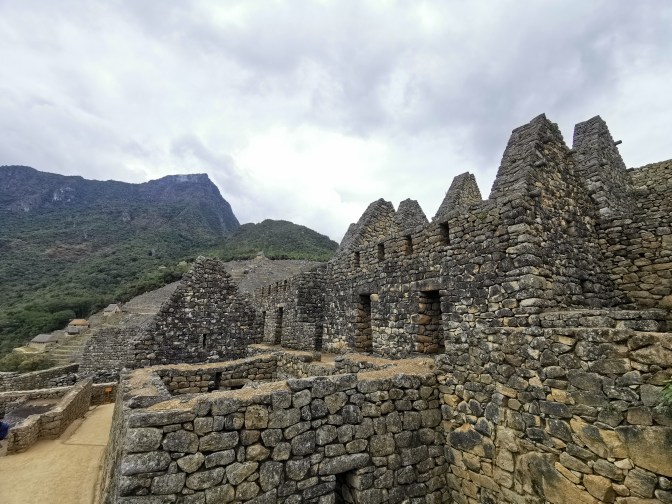
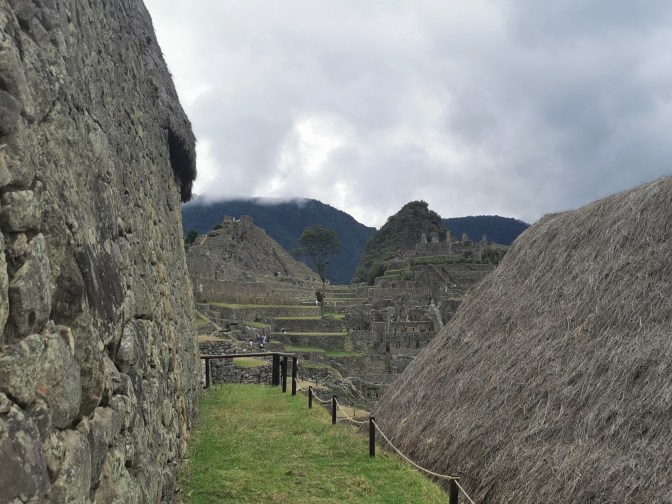
For the next two hours or so we were led, procession-style, by our guide around the one-way system. He did his best to find small pockets of space where he could explain some of the history and the theories behind the different buildings. And when the rangers were not looking in our direction, we quickly slipped off our masks to take some photos. As impressive as the site still is, it loses some of it’s magic with the throngs of people and the over-zealous rangers. The experience definitely peaked when you could see the whole site and the surroundings from higher up. And I felt sorry for the people who were only there for the day, it must be hard to experience much of the mystical atmosphere in that situation.
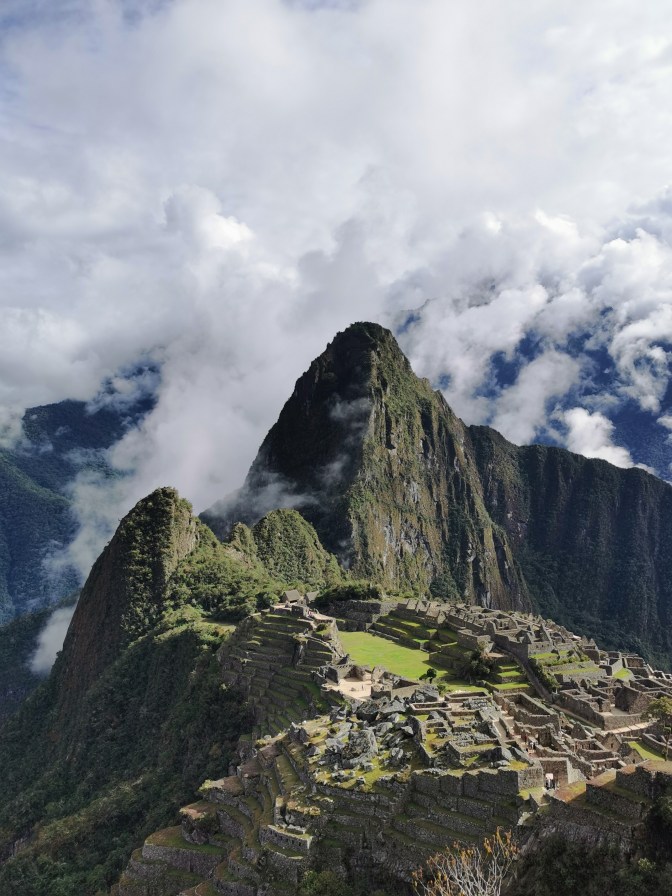
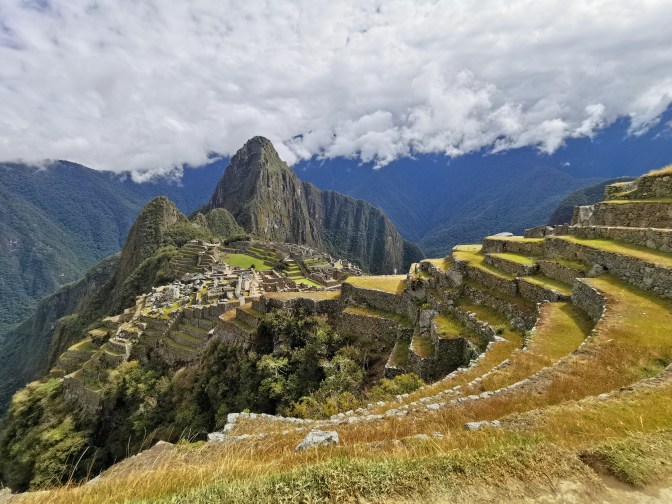
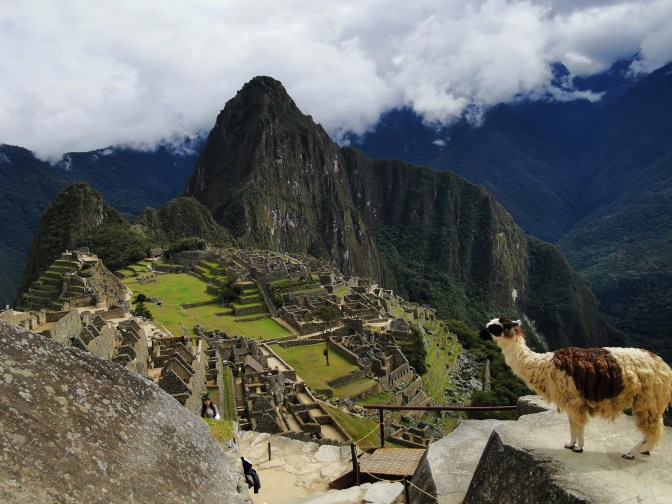
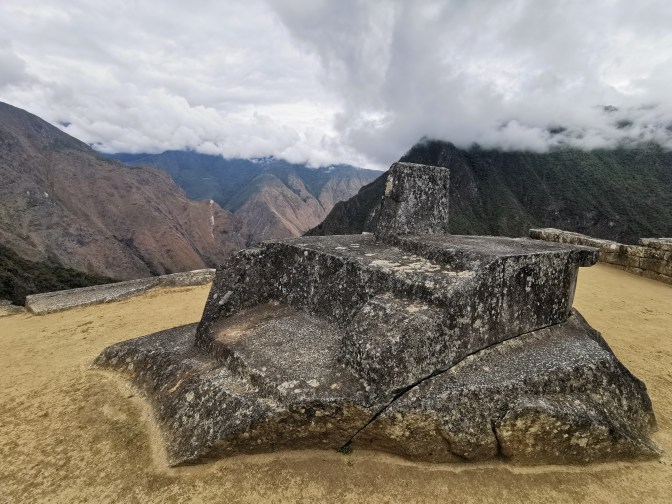
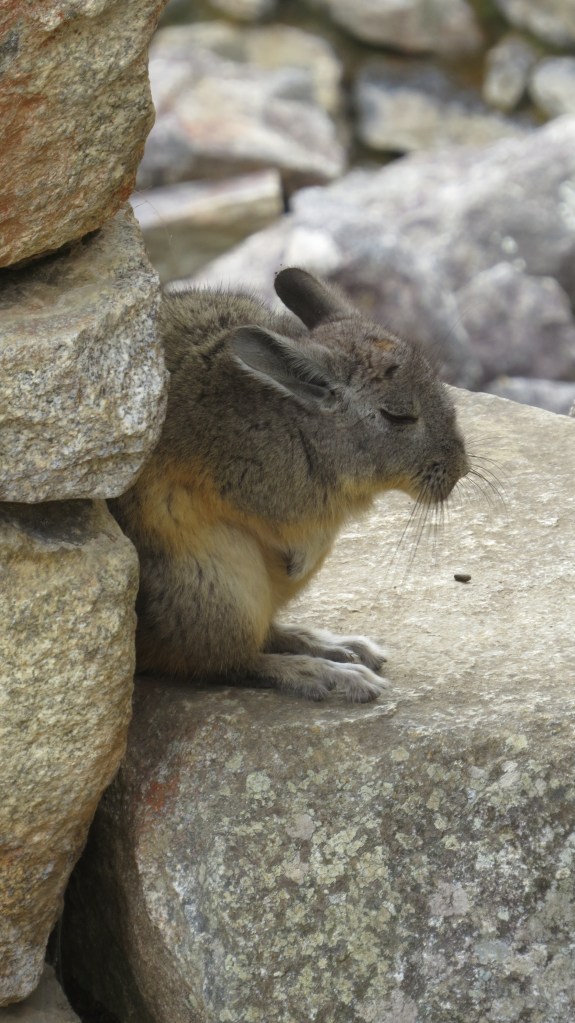
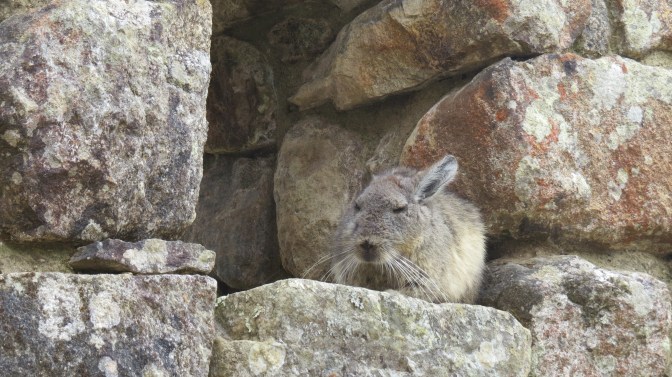
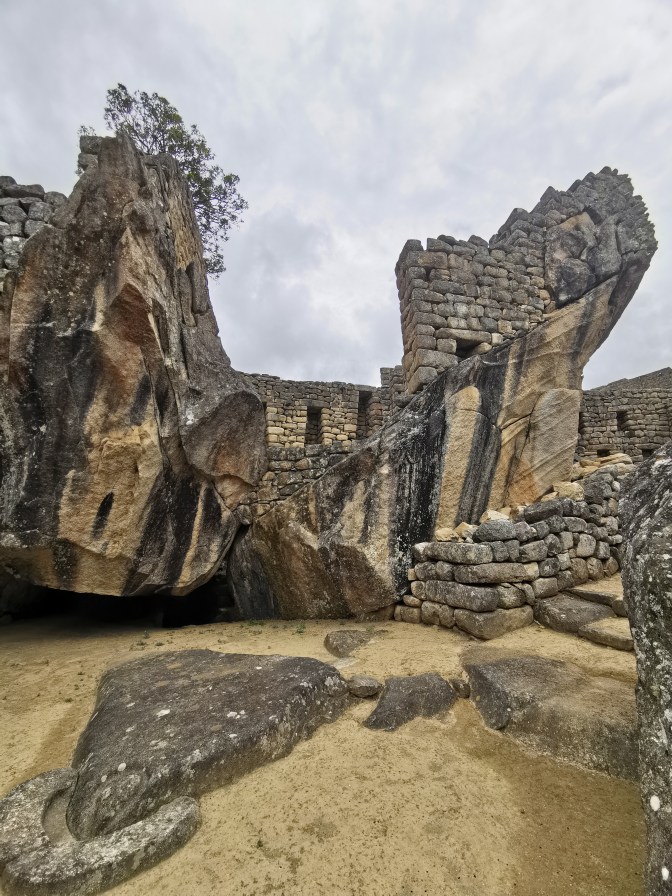
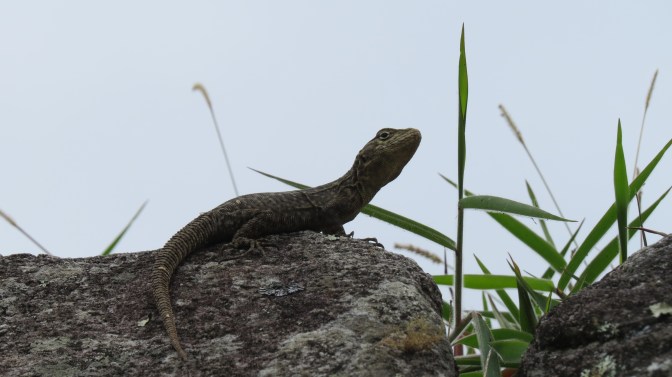
Having said that, it was still a nice experience walking round the old buildings, occasionally passing a llama who acted like it owned the place, or a chinchilla snuggled up against the rocks. Some of the buildings were still beautiful and one advantage of having to go to the main entrance was that we were positioned perfectly to be able to view the sundial before it closed at 10am and yet still be able to view the temple of the condor after it opened at 10am. So that was quite lucky.
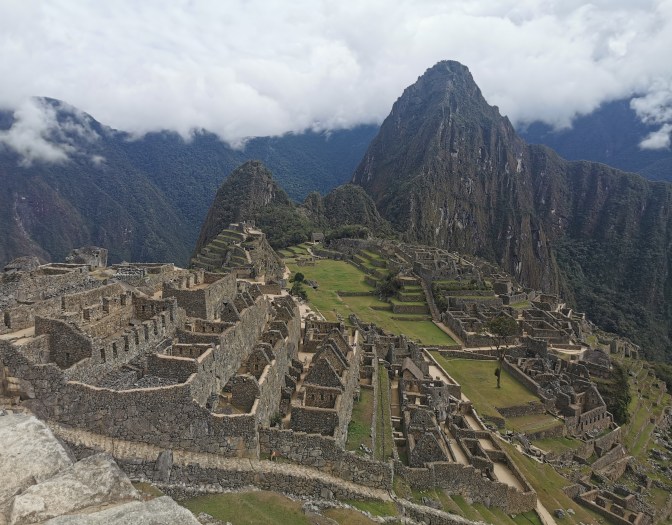
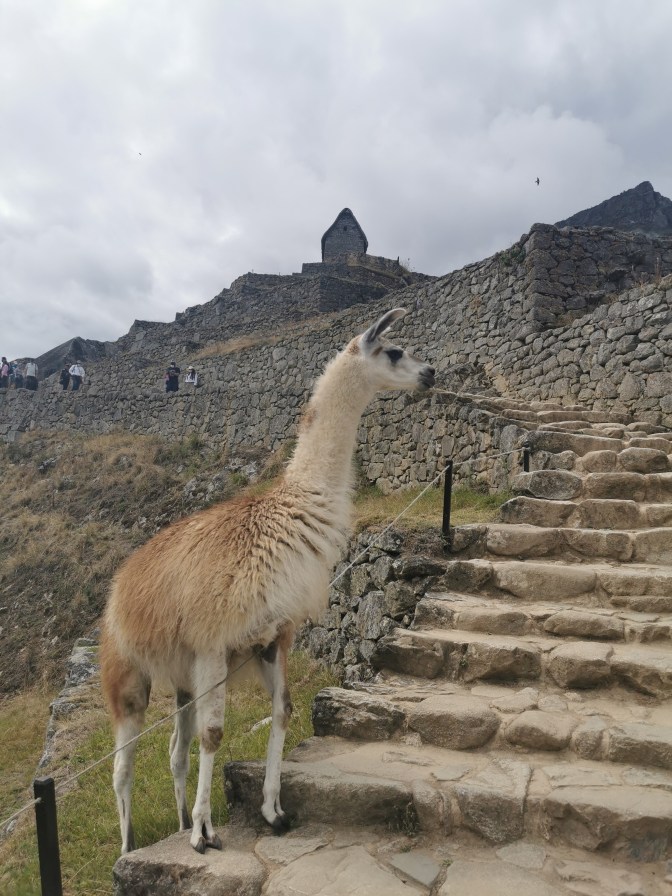
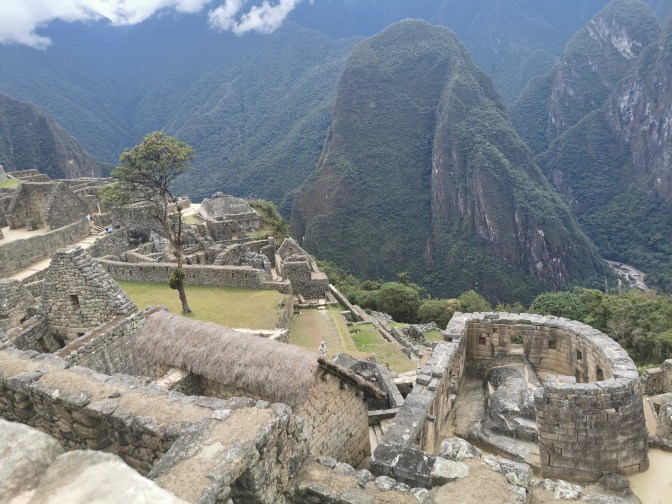
After we had done our loop, we made our way back to the entrance to catch our bus down to Aguas Calientes. Whilst waiting for the bus to leave we noticed a load of people carrying boxes and photographic equipment to and fro – apparently they were filming for the new Transformers movie. So look out for us…
After driving down the winding road to Aguas Calientes, we had a meal and then it was time to take the train and bus back to Cusco.
Final thoughts
There is a reason the Inca Trail is so famous across the world. It is challenging and yet by no means impossible for anyone with a reasonable level of fitness and hiking experience. It combines stunning, varied natural scenery with fascinating historical ruins. And of course it has one of the most spectacular sights in the world to finish with. Add in the amazing people who work as guides, chefs and porters on the trail and you have yourself one spectacular experience.
We were so glad that we added the Inca Trail to our itinerary. Whilst we also had a fantastic time on the Salkantay Trek, there really is something special about the Inca Trail.
 Brit and Czech Abroad