I’ve been reflecting recently about how my travelling habits have changed since starting to get a bit older. Whilst I was lucky to have some great holidays with my parents when I was young, I didn’t really start to travel myself until I was 25 and moved abroad to work. Since then, I’ve been lucky enough to be able to travel fairly regularly, due to being a teacher and getting plenty of holidays. A dozen years later and I still love to travel but the patterns of the trips do seem to be different. Writing about our trip to Cape Verde last year has definitely brought those patterns into focus and so I thought I’d try and write some of those thoughts down.
Looking back when I was younger, when choosing destinations I think there was definitely a feeling of leaving more common destinations ‘until I was older’ and wanting to take ‘the road less travelled’ (apologies for the well-trodden cliches…). I guess there were a few reasons for this. There was the expectation that I would become less fit and active as I got older (although thankfully that hasn’t been the case too much yet); I was less conscious of the dangers out there; and the less common places just seemed more exciting. But it was also part necessity. Apart from packages to beaches in Spain, which held little interest for me, the more popular destinations tended to be more expensive. Planning trips were therefore also partly about where were the best deals at that time. Hence, last minute journeys to places like Kosovo and Macedonia (North Macedonia now), which were amazing places to visit but weren’t as popular and therefore weren’t as expensive. Then, after saving up a bit more, backtracking around Cambodia back when flights to Asia were still reasonable – Thailand was already very popular by then so why not try somewhere not as much.
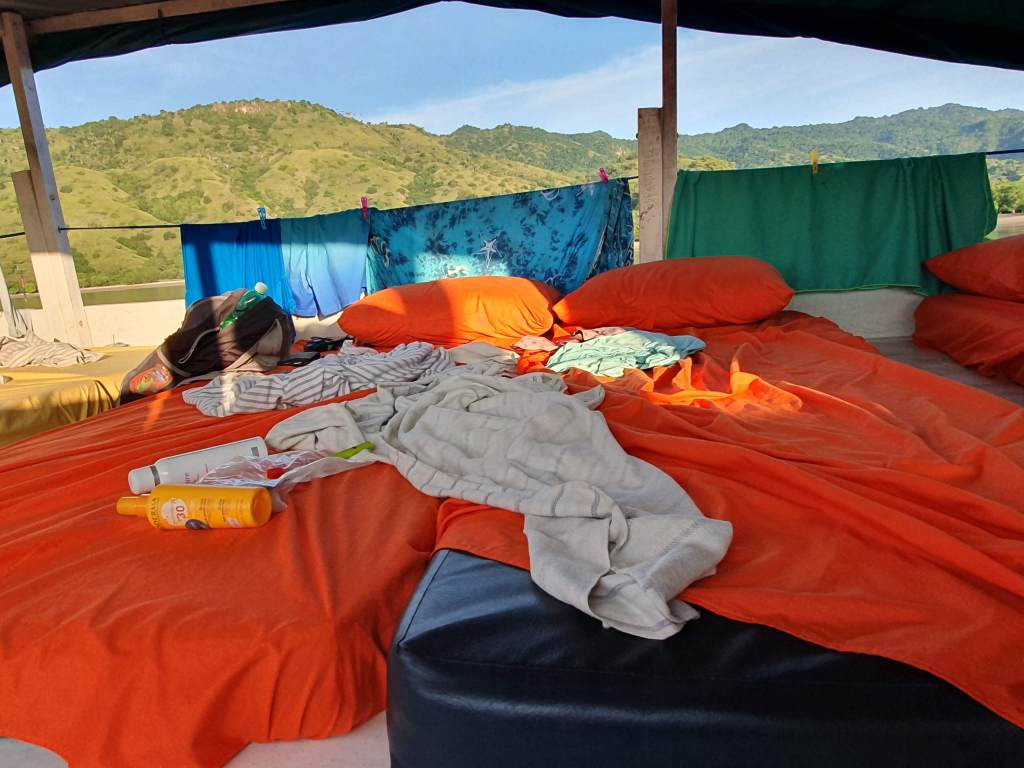
The scrimping and saving also applied to the trips themselves. Booking everything individually rather than through agencies. Staying in hostels rather than hotels. Buying street food or cooking meals when possible. Taking public transport or walking rather than taxis. Passing on more expensive activities unless they really were a ‘must-do’. When travelling longer distances within the country, taking coaches or trains rather than flying. When doing these longer journeys or having to fly, choosing off-peak times when the transport had cheaper tickets. This mindset became so ingrained that it has actually been difficult to change now that we are able to loosen the purse strings a bit.
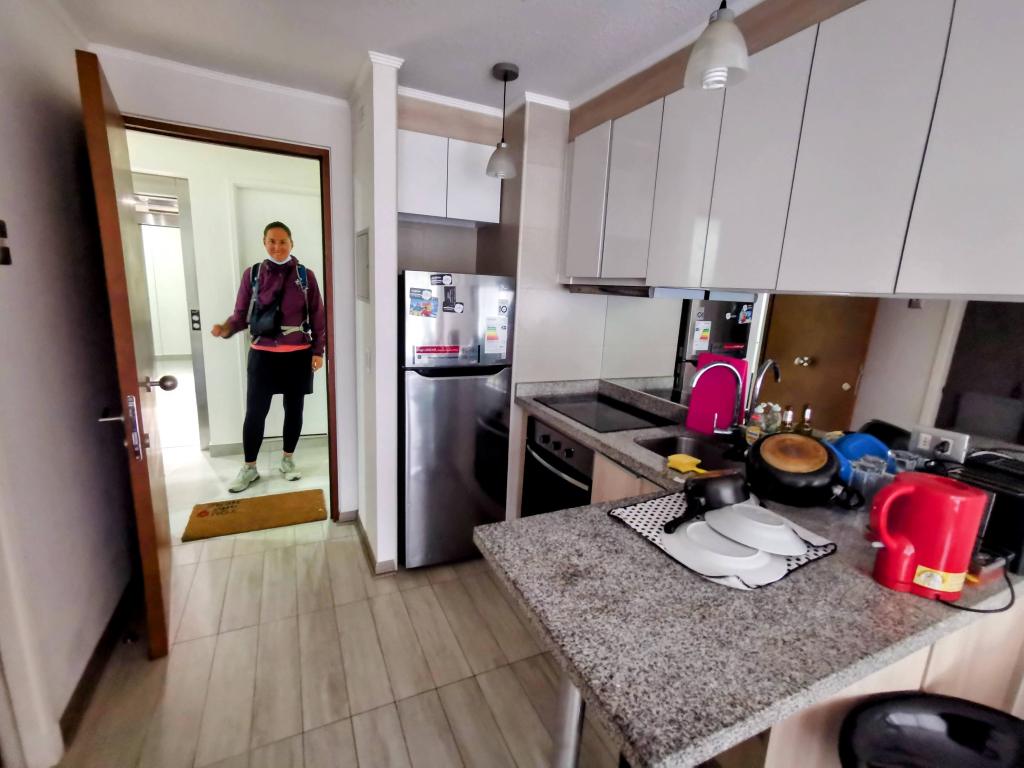
Another factor is that many of my earlier trips were travelling solo. Hence, staying in hostels was not just about the cheaper price, but essential from a social perspective. My first real attempt at a little solo trip was a few days in Copenhagen where I booked a single room in an apartment block, I think through AirBnB. I barely saw anyone the whole trip, and that was a real learning curve. Since Radka and I started travelling together, we’ve been transitioning where we stay. It still started in hostels but commonly private rooms within a hostel, as they were often a similar price or cheaper compared to two beds in the dorm rooms of the same hostel. Then private rooms in cheaper hotels. When we took a year off to go travelling during the later parts of COVID (the initial reason for starting this blog) we almost exclusively stayed in private rooms in guesthouses or hotels, or booked small apartments that also had cooking facilities, allowing us to make our own meals and save that way. Now, we still often book accommodation with cooking facilities, but when we stay in hotels they are starting to be nicer and we now sometimes book packages with half or full board (e.g. our trip to Kaprun in Austria).
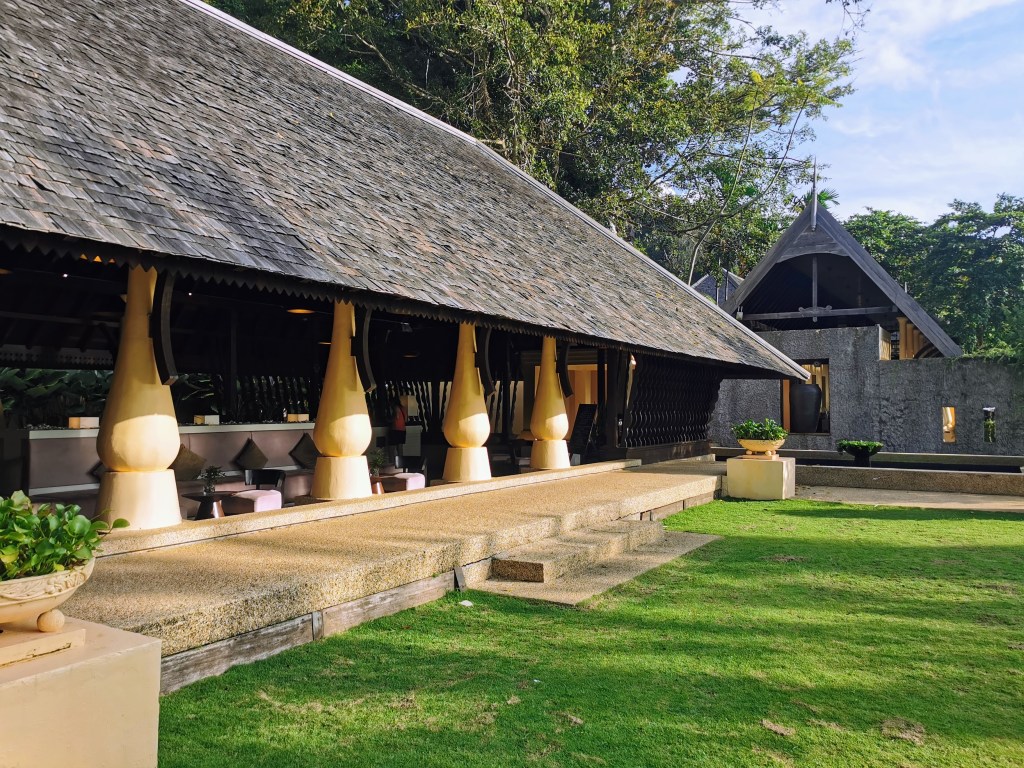
As I’ve already alluded to, our trips are now different, especially over the last couple of years. Our trip to Lapland this year was probably our most decadent yet. We had a private chalet at the accommodation and all meals and activities were booked in the same package. This followed on from a cruise up the Norwegian coast in 2023; and even when we have a holiday where we are still travelling around, such as visiting Borneo, we still had a couple of days at a ‘nice hotel’ at the end of the trip.
So, why the changes? I guess the main reason is that now, we can. We have remained child-free and thus the finances are healthier than when we were younger. So we don’t have to be quite so frugal. But ‘splashing out’ has actually been quite hard to do. I know that sounds like a stupid statement. But when you have been careful with money for almost all of your life, it can be hard to actually spend it without feeling guilty. Which is another stupid statement. We should just be grateful that we are able to do it now and again.
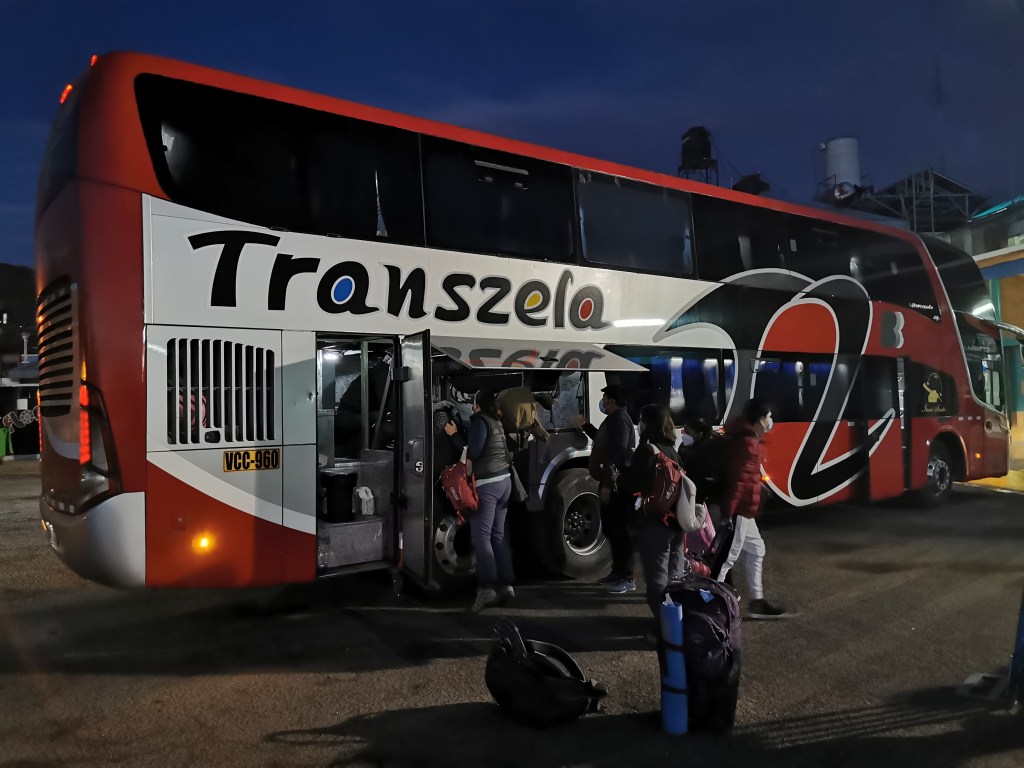
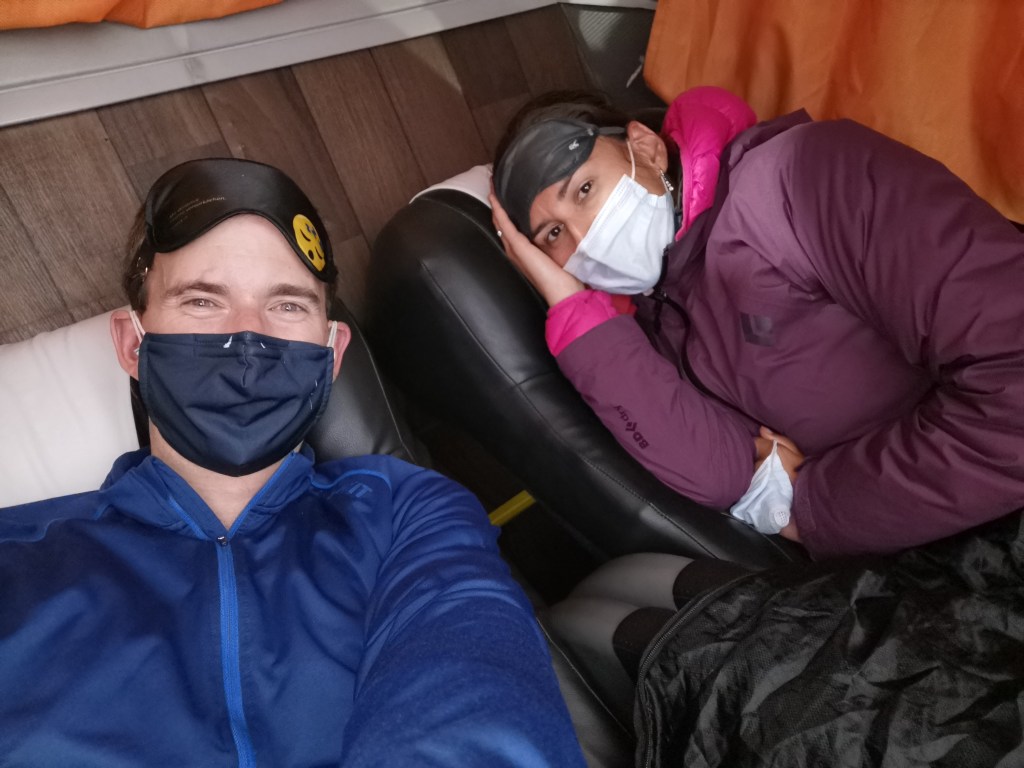
The other reasons for the changes to how we travel are more, I think, to do with getting older. We get uncomfortable more easily. I’m not sure if I could spend more than a night or two in a hostel anymore without it driving me crazy, despite staying in hostels for the entirety of earlier trips. Previously, I could sleep sitting upright in overnight trains and buses and still get enough rest to go full pelt the following day. Now, with overnight flights we’ll need the rest of that day to recover. And for overnight coaches, we’ll pay extra for the seats that’ll go closer to horizontal, which I wouldn’t have dreamed of just a few years ago (pun definitely intended).
There is also the aspect of making choices. Radka especially feels this way. As her career is progressing she feels that she’s having to make more and more decisions in her everyday life. Thus, having half or full board at a hotel means not having to decide where or how to eat. Having activities organised through the accommodation is another way of reducing the amount of decisions to be made at a time when we want to relax as well as explore. Even if we are still planning things ourselves, going to a more common and popular destination means it is easier to work out how to do things and how to get from place to place. It doesn’t require quite so much research or as many decisions.
So, why did writing about our trip to Cape Verde make me think about these things? Well, I think it perfectly encapsulates the transition between the old and new ways of thinking. On the one hand, part of the reason for going there was that we found a reasonably cheap flight. We also still hate the crowds of tourists that can suffocate a place during the school holidays (I’m well aware of the irony of writing that on a travel blog), so we wanted to try somewhere that was still not so common and popular. This was further emphasised when we chose the island within Cape Verde. Whilst the country as a whole doesn’t yet seem to be a very touristy destination, the islands of Sal and Boa Vista are starting to become popular. So, we decided to try Santiago instead. Then, during our week long trip we stayed in four different locations, of which three were in smaller hotels and guesthouses. All of these aspects more link to our ‘younger outlook’.
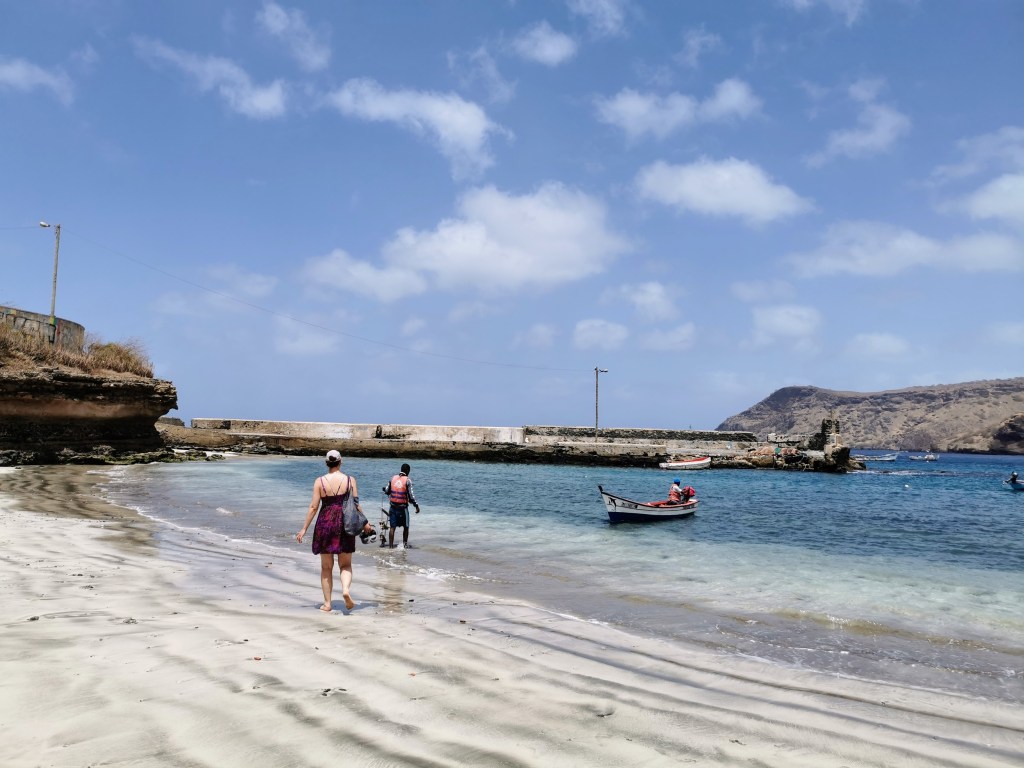
In contrast, however, we hired a car rather than risk the public transport. Whilst this was recommended in research we did before going, our decision was at least in part due to it just being easier to rent the car. Whilst we mainly stayed in smaller guesthouses and hotels there were still cheaper options in Praia and Tarrafal that we discounted. When we went hiking in Tarrafal, we hired a guide. This was mainly to do with safety concerns rather than our ability to navigate the route. So we were more aware of the dangers and were able to pay extra. And, apart from our first day in Praia, we only ate at the accommodations we were staying at for main meals. There were cheaper options available, but it was less decisions and we didn’t mind paying a little bit extra.
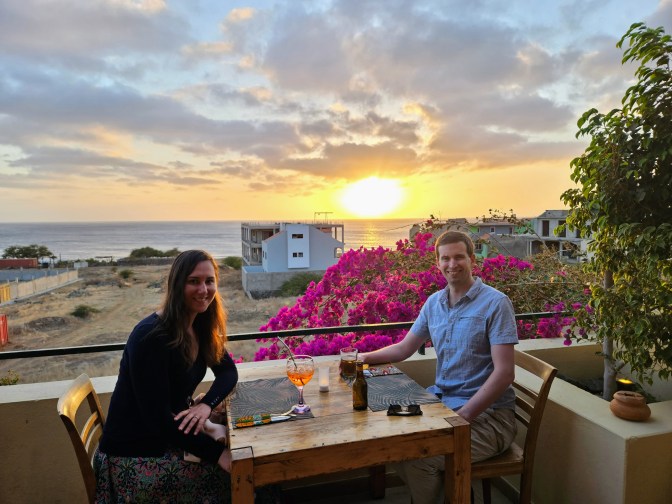
So, this trip to Cape Verde seemed to stand at a crossroads between our younger and older viewpoints and I’m very curious to see how our opinions and priorities continue to develop as we get older.

 Brit and Czech Abroad
Interesting thoughts. Don’t worry you are still young 😆 and I can confirm that travel is still as exciting even when you get older. Enjoy every moment x
LikeLike